
Reviewed · SANTO DOMINGO CITY TOURS
Santo Domingo: Three Eyes National Park Guided Tour
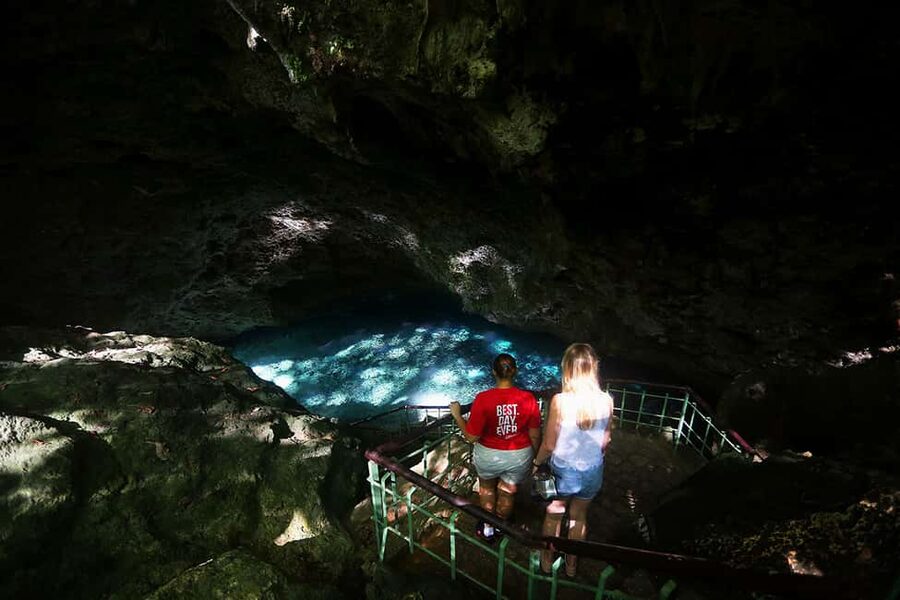
Beneath Santo Domingo’s city streets, Three Eyes National Park opens into a limestone cave system filled with clear lakes, steep steps, and dramatic rock formations. The setting feels far removed from the city, even though the park is close to the Colonial City.
I like the early timing, which can get you into the park before large groups arrive, and I like the mix of geology, local stories, and Indigenous traditions. The main drawback is important: the boat crossing to one lake may require an extra payment, and the quality of the guiding can vary.
Key points to know
- Three underground lakes and one exterior lake give the tour a clear sense of progression.
- Sulphur Lake helps explain where the cenotes’ water comes from and why the caves matter ecologically.
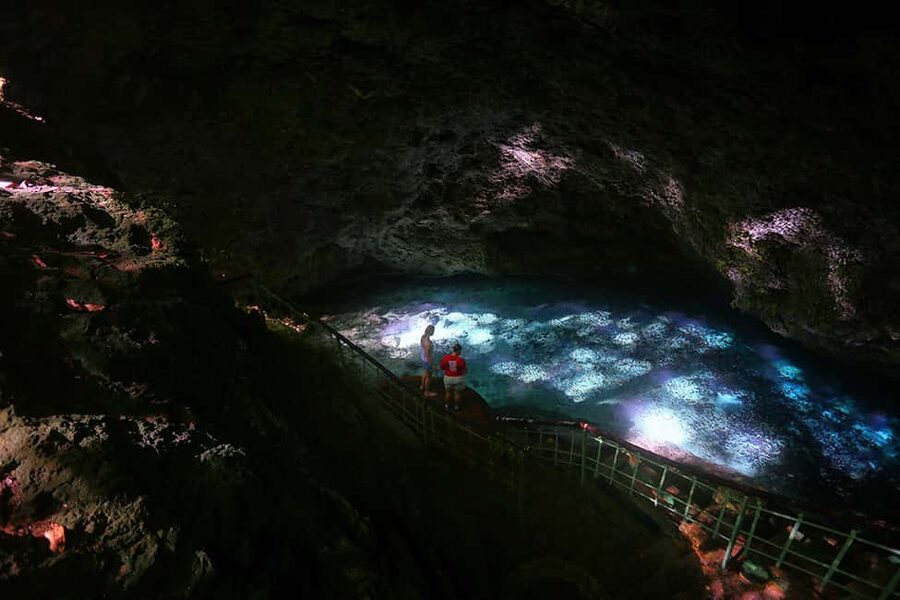
- La Nevera Lake sits inside a cave and is known for its unusual colors and cool atmosphere.
- The boat crossing may cost extra, despite the tour description presenting it as part of the experience.
- Early access can make a real difference, especially before larger groups reach the park.
- Expect many steps, with no elevator and no access for wheelchair users or mobility scooters.
Why Three Eyes feels so different from Santo Domingo
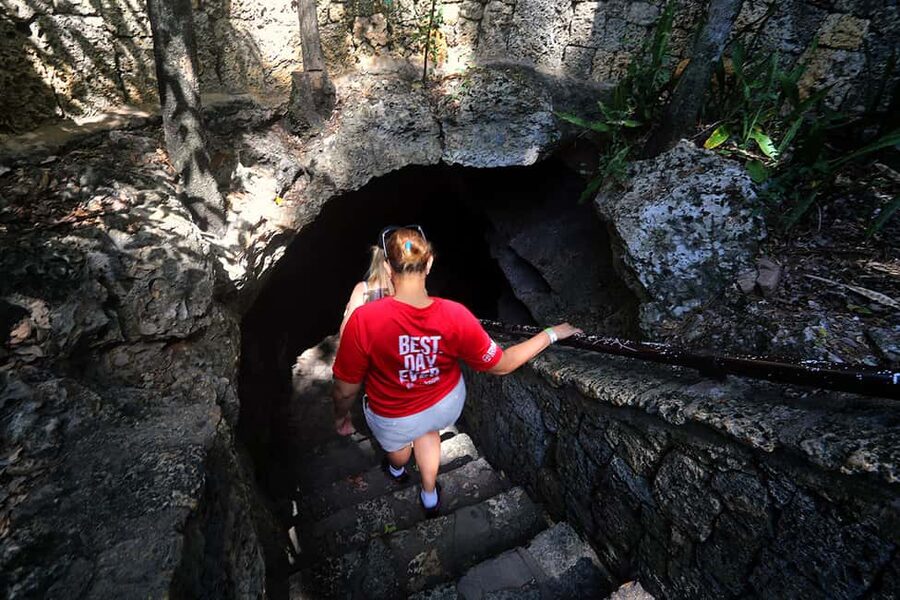
Santo Domingo is full of grand churches, old stone streets, and busy traffic. Three Eyes National Park offers a sharp change of pace. You descend into a series of natural caverns where sunlight slips through openings in the rock and reflects off underground water.
The Spanish name, Los Tres Ojos, refers to the three main openings or eyes formed by the cave system. The park is not a wild cave expedition. Paths and stairways lead through the site, making the visit manageable for many active adults, but you should still expect a steady amount of climbing and descending.
I find the appeal strongest in the contrast. You can spend the morning among Santo Domingo’s historic streets, then shortly afterward be standing beside a subterranean lake surrounded by limestone walls. The park is compact, so the experience does not require a full day.
The tour lasts about 90 minutes at the park, though the full outing can take up to three hours depending on pickup arrangements, timing, and the pace of the group. That makes it easy to fit into a Santo Domingo stay.
More Santo Domingo City Tours:
- Santo Domingo: Los Tres Ojos, Boca Chica & More
★ 4.8 · 219 reviews - Colonial Zone: Historical Tour with a visit to the Columbus Lighthouse and Tres Ojos Park
★ 4.9 · 157 reviews - Santo Domingo: Colonial Zone Bike Tour
★ 5.0 · 127 reviews
Meeting your guide and getting into the park
If you choose hotel pickup, transportation is available from hotels in central Santo Domingo and the Colonial City. You’ll wait in the lobby or at the hotel’s main entrance, depending on the property. The vehicle should carry the company logo, and the guide should have a sign.
Without pickup, the meeting point is at approximately 18.4798333, -69.8430386. Look for a guide wearing a blue polo shirt. This is worth noting because the park experience itself is straightforward, but finding the right person can be less so if you arrive without a clear visual marker.
English and Spanish guiding is available. A private group can also be arranged. If the guide named Francis is leading your departure, you can expect a friendly and attentive presence based on the strong impression he has made on past visitors. Still, guide quality is not perfectly consistent. One disappointing departure ended after about 40 minutes with a substitute local guide who offered little explanation.
That inconsistency is the main reason I would confirm the guide and meeting details before setting out. A good guide adds real value here, especially when explaining the water, the cave formations, and the stories attached to the lakes.
Sulphur Lake and the first underground views
Your route begins with the cave system and its underground lakes. Sulphur Lake is a useful first stop because it gives the tour an ecological angle instead of treating the park as a series of pretty viewpoints.
The water’s sulphur content is connected to the cenotes’ underground system. Your guide can explain the origin of the water and its role in the park’s natural cycle. This is the place where the geology begins to make sense. You are not just looking at a dark pool in a cave. You are seeing part of a water system shaped by limestone and the movement of water below ground.
The stairs and walkways bring you close to the rock walls. Look for the cave formations, known as speleothems, created by mineral deposits over time. Their shapes and surfaces give the chambers much of their character.
The route can be slippery or awkward in places, particularly after rain. The tour operates rain or shine, so wear shoes with a firm grip. High heels are not allowed, and they would be a poor choice on the steps in any case.
La Nevera Lake and the cool cave interior
Next comes La Nevera Lake, whose name means refrigerator. The name points to the cooler feeling inside this section of the cave, away from the direct heat of Santo Domingo.
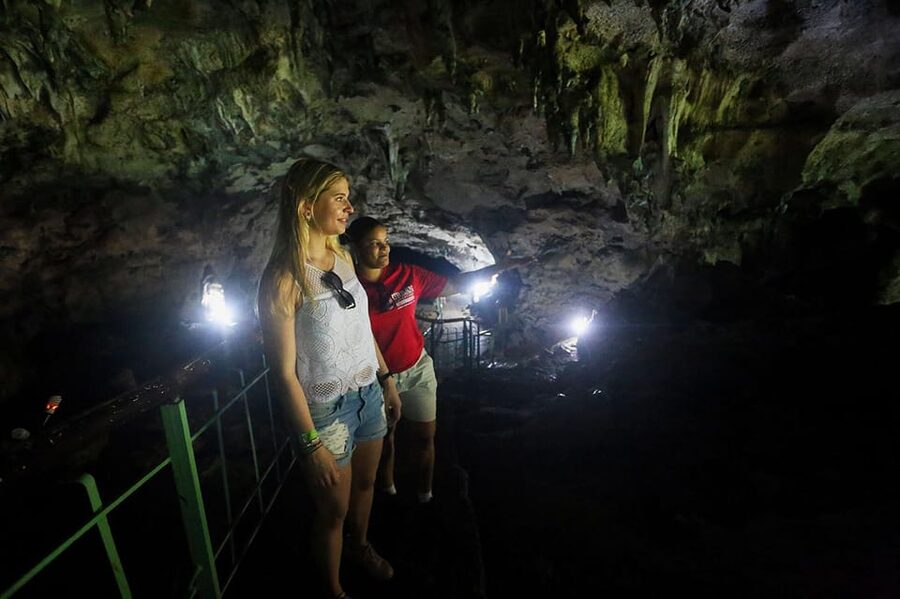
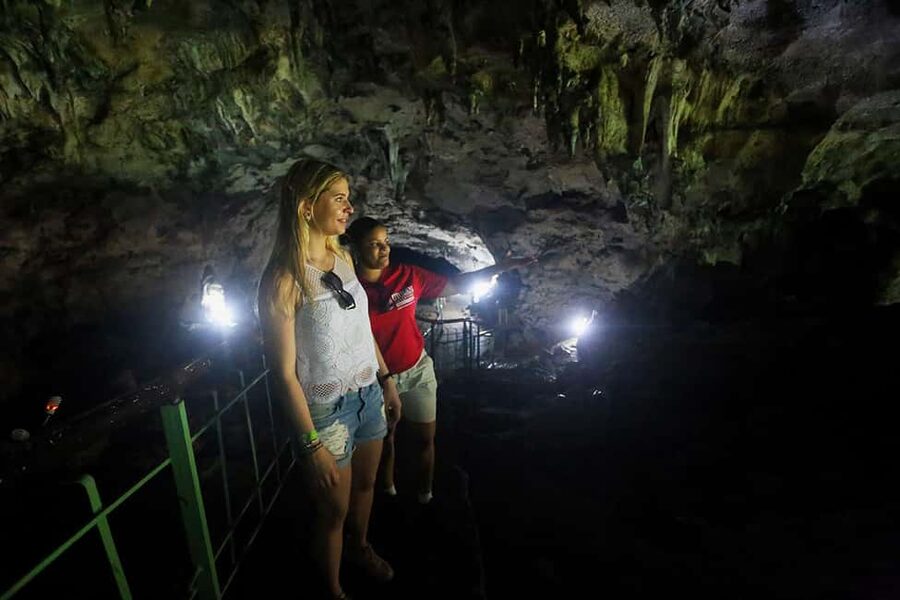
The lake’s colors are one of the more memorable visual details of the visit. Inside the cave, light behaves differently from above ground. Dark stone, reflections, and filtered daylight create a setting that can look very different from one moment to the next.
This is also where a guide can make the visit more rewarding. Without context, you may simply see an attractive underground pool. With a clear explanation of the cave’s formation and the water’s movement, you get a better sense of why these cenotes exist and how they fit into the park.
Photography can be appealing here, but do not expect every viewpoint to be easy to capture. The cave is dark, the paths are busy at times, and you will often be standing on stairs or narrow walkways. Keep your attention on your footing first.
More Los Haitises National Park Trips:
- Samaná: Los Haitises National Park & Cayo Levantado Island
★ 4.2 · 214 reviews - Bayahibe: National Park Jungle Walk & Snorkeling in Cenotes
★ 4.7 · 171 reviews - 2in1: Los Haitises National Park + Yanigua Waterfall-SPA
★ 5.0 · 97 reviews - Three Eyes National Park Exploration Tour
★ 4.5 · 40 reviews
The boat crossing and the fourth lake
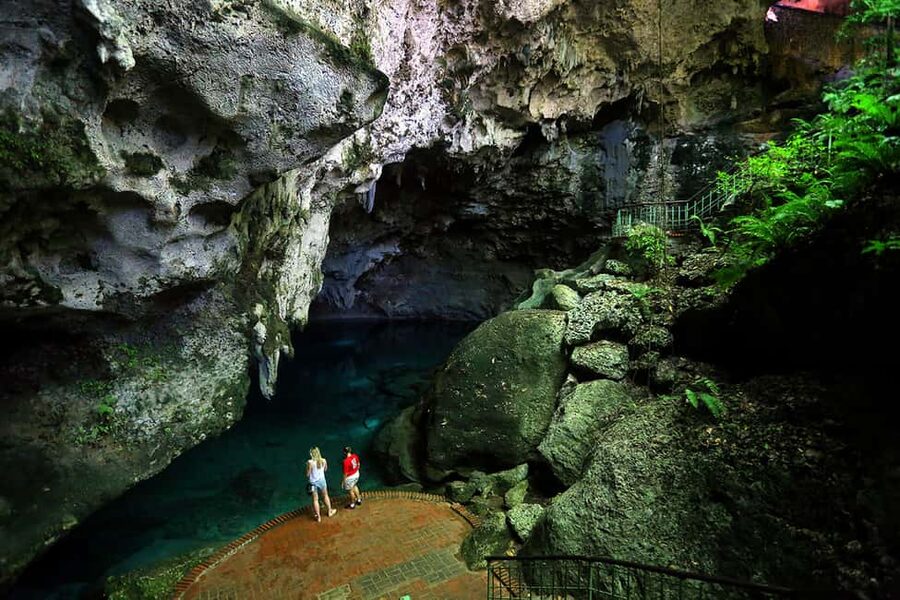
The route then reaches the fourth lake, described as the most beautiful cenote in the park. Reaching it involves a short boat or raft crossing, which gives the outing a more active element than a simple walk through a park.
The water is described as emerald in color, with vegetation around the opening. This lake has a more open, dreamlike quality than the enclosed sections, and the crossing helps separate it from the earlier stops.
Here is the practical catch: clarify the boat charge before booking. One account of the experience says the boat had to be paid for separately, even though the tour description presents the crossing as part of the route. The exact arrangement may depend on the departure or operator, but you should not assume the advertised price covers every part of the crossing.
The boat ride itself has been a highlight for some people, especially because it adds movement and variety. If you are expecting a fully included activity at the stated price of $35, though, this possible extra cost matters. Ask directly what is included before you pay.
Lake of Ladies and the park’s cultural side
Lake of Ladies brings a different mood. The site is connected with a story about women and children, and the guide may discuss Indigenous customs and ceremonies associated with the caves.
This part of the tour is less about scenery alone. The stories help explain why caves and water held such importance for earlier communities. You may be able to touch the water here, although you should follow the guide’s instructions and any park rules.
I appreciate this cultural layer because it keeps the visit from becoming only a photo stop. The park’s value is not just in its shapes and colors. It also lies in the meaning people have attached to these places over time.
That said, the quality of this section depends heavily on the guide. Some guides offer a fuller explanation, while others may provide only a few facts. If cultural context is a major reason you are booking, ask at the beginning for a more detailed explanation of the Indigenous stories and rituals connected with the park.
Walking the trails above the caves
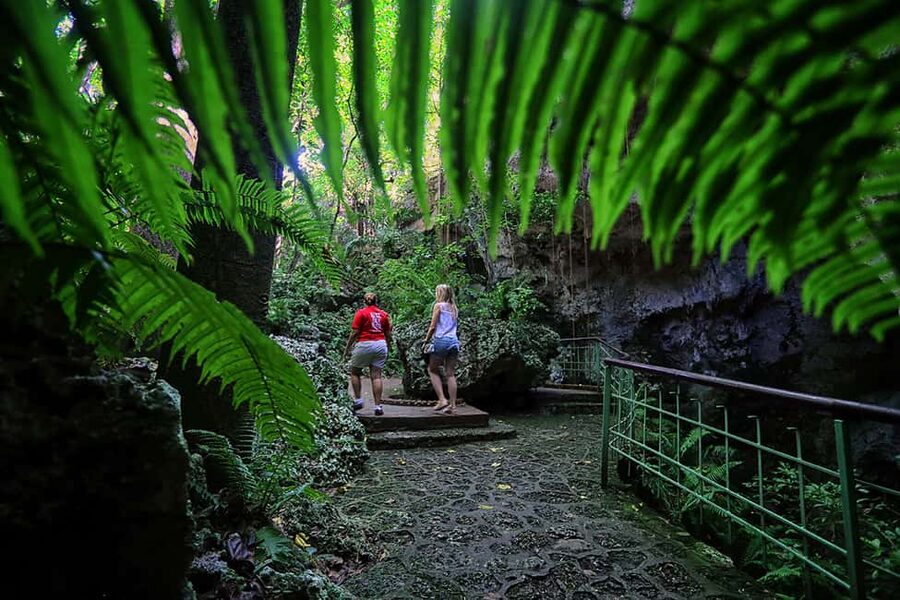
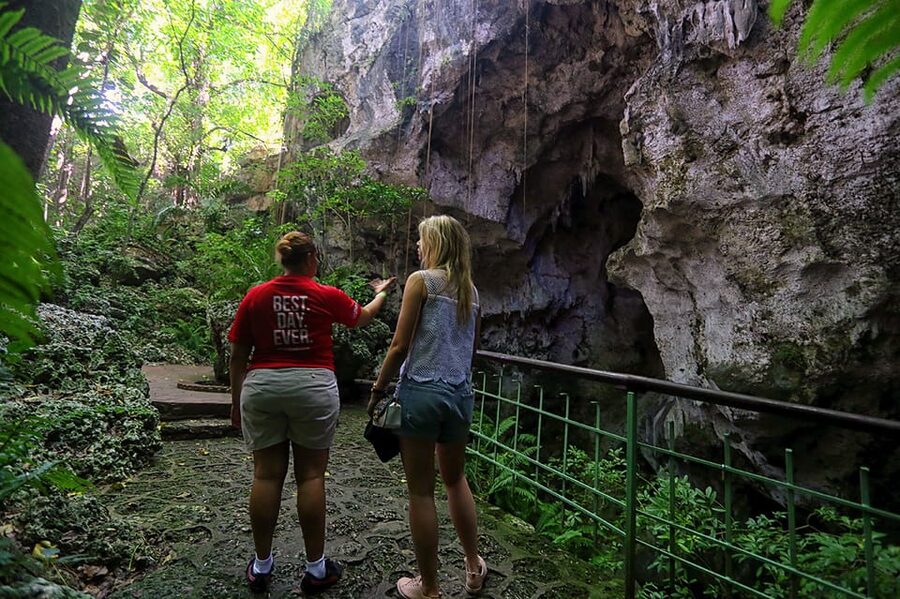
After the lakes, the tour continues along the park’s trails. This gives you a chance to see the flora and fauna around the cave openings and to regain a little sunlight after the underground sections.
The upper paths also help you understand how the park fits into its surroundings. From below, the caves can feel like a separate world. Above ground, the vegetation and open air show that the underground lakes are part of a larger natural area.
Do not underestimate the walking time just because the park is compact. There are numerous steps between the different lakes, and the route is not suitable for wheelchairs, electric wheelchairs, or mobility scooters. It is also not recommended for people over 80, and the stated restrictions include people over 95.
A parent may manage the route with a baby in a carrier. One successful outing included a 16-month-old carried by a parent. That does not mean the path is stroller-friendly. A carrier is the practical choice, and the adult carrying the child should be comfortable with stairs and uneven ground.
What the $35 price really gives you
At $35 per person, the tour can be good value if you want transportation, admission, and explanation bundled together. The entry ticket and a guide are included, and hotel pickup and drop-off are included if you select that option.
A bottle of water is also supposed to be included, but you should confirm this before departure. One person arrived without receiving the promised water. Bring your own bottle anyway, particularly on a hot day.
Food and other drinks are not included. The experience is short enough that you probably do not need a meal during the visit, but you should plan refreshments separately.
The real value comes from the guide. If you are comfortable reading the park’s signs, following the paths, and exploring independently, you may prefer to buy entry directly and skip the tour. The park is not enormous, and some people feel they can see it without assistance.
If you want the geology, cultural stories, pickup, and early timing handled for you, the fee is easier to justify. The price becomes less attractive if the guide offers little explanation, the tour ends early, or the boat crossing costs extra without clear warning.
Timing before the large groups arrive
The best reason to choose this guided departure may be its timing. The experience is arranged for a period before larger tourist groups arrive, which can make the caves feel calmer and make it easier to hear the guide.
This matters at Three Eyes because the paths and viewpoints are limited. A crowded stairway can slow the whole route, and a busy lake edge makes it harder to appreciate the reflections and cave walls.
Early access does not guarantee an empty park. Schedules can shift, and the tour operates in all weather. Still, arriving ahead of the main crowds is a useful advantage, especially if you want photographs or prefer a quieter pace.
If you are staying in the Colonial City, pickup can also save time. If you are already close to the park and comfortable arranging your own transport, meeting at the designated point may be simpler.
Steps, weather, and what to wear
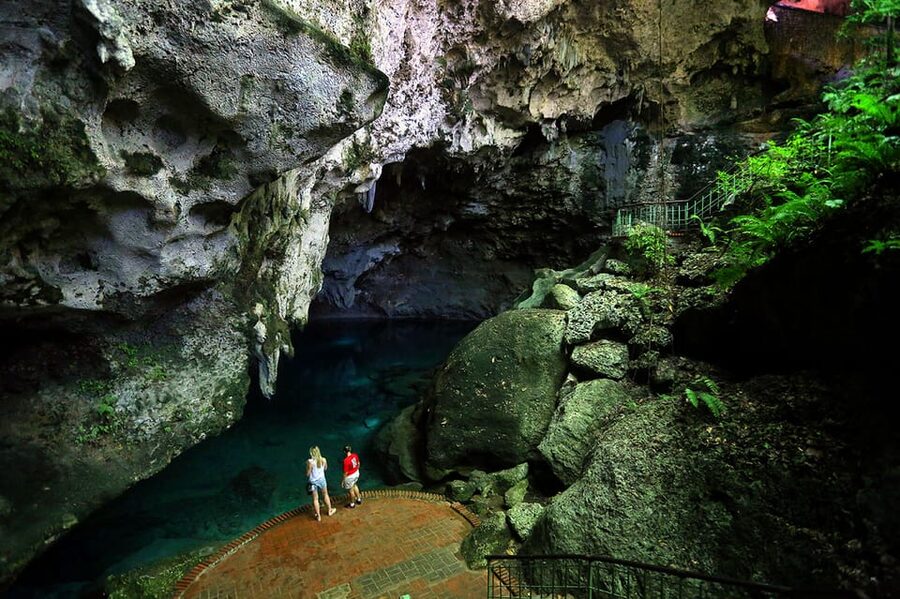
Wear comfortable walking shoes with good grip. You will descend many steps to reach the caves, then climb and descend again between the lakes. There is no elevator.
The park remains open for the tour in rain or sun. Rain may make the steps and paths more slippery, so move carefully and keep your hands free when possible. High heels are prohibited and unsuitable.
Alcohol, drugs, explosives, and open fires are not allowed. Mobility scooters and electric wheelchairs cannot be used on the route. These rules are practical rather than fussy: the cave access is built around stairs and narrow paths.
Carry only what you need. A small bag, water, and a phone or camera are enough. Protect electronic equipment from splashes around the boat crossing and from damp cave conditions.
Who should book this Three Eyes tour?
I would recommend it to you if you want a short nature break from Santo Domingo, prefer a guide who can explain the caves, or need hotel pickup. It is also a good choice if you like combining scenery with stories about Indigenous traditions.
The outing suits active adults, families with children who can be carried, and visitors who are comfortable on stairs. English and Spanish language options make it accessible to a wider range of visitors.
I would think twice if you have limited mobility, trouble with repeated steps, or dislike uncertain extra charges. I would also consider going independently if you mainly want to walk around, take photographs, and do not care about detailed explanations.
Because guide quality can vary, ask who will lead your departure and whether the boat crossing is included. Those two questions will tell you much about the value you are likely to receive.
Should you book it?
Book this tour if you want a guided look at Santo Domingo’s underground lakes and value early timing, hotel pickup, and cultural context. The park itself is the star, with Sulphur Lake, La Nevera Lake, the emerald fourth cenote, and Lake of Ladies offering a varied 90-minute route.
I would not book without confirming the boat fee, water provision, pickup details, and guide assignment. If those points are clear and the route suits your mobility level, $35 can be a fair price for a compact, memorable outing close to the city.
FAQ
How long does the Three Eyes National Park tour take?
The park visit is listed as about 1.5 hours. The complete experience can last from 90 minutes to three hours, depending on the selected start time and pickup arrangements.
What does the $35 price include?
The price includes admission to Three Eyes National Park and a guide. Hotel pickup and drop-off and a bottle of water are included according to the selected arrangements, but you should confirm these details before departure.
Is hotel pickup available?
Yes. Optional pickup is available from hotels in central Santo Domingo and the Colonial City. Pickup outside those areas should be requested in advance.
Where do I meet the guide without hotel pickup?
The meeting point is at coordinates 18.4798333, -69.8430386. Look for a guide wearing a blue polo shirt.
Is the boat crossing included?
The route includes a boat or raft crossing to the fourth lake, but a separate payment may be required. Confirm the boat cost before booking or starting the tour.
Is the tour offered in English?
Yes. Live guiding is available in English and Spanish.
Is the park suitable for wheelchair users?
No. The route includes many steps, there is no elevator, and the activity is not suitable for wheelchair users, electric wheelchair users, or mobility scooter users.
Newest Santo Domingo trips we have written up
- Santo Domingo: Tres Ojos, Faro a Colón & Mamajuana Tour★ 5.0 · 3 reviews
- Santo Domingo: Small Group Tour with Cable Car from Bayahibe★ 3.9 · 5 reviews
- Santo Domingo Tour with caves from Punta Cana★ 4.0 · 5 reviews
- Punta Cana: Saona Island VIP | Private Beach, Open Bar & Lunch★ 3.4 · 6 reviews
- Santo Domingo: Saona Island Cataraman Food And Drink★ 4.7 · 4 reviews
- Santo Domingo: Paradisiac Waterfall & Lunch Cooked Over Wood★ 5.0 · 3 reviews
- Santo Domingo: Private City Tour walking★ 4.1 · 3 reviews
- Santo Domingo: Guided City Tour with Lunch★ 4.9 · 3 reviews
Santo Domingo City Tours, compared.
Colonial Zone: Historical Tour with a visit to the Columbus Lighthouse and Tres Ojos Park
Read our review →
Zona Colonial: Recorrido Histórico con Chocolate y Mamajuana
Read our review →
Discover Santo Domingo: Colonial History, Monuments & Lunch
Read our review →
Half Day Excursion Colonial Zone Lighthouse to Colón and Tres Ojos from Santo Domingo
Read our review →Browse the lists this tour appears in