
Reviewed · CHOCOLATE AND COFFEE TOURS
Santo Domingo: Chocolate Tour + Optional Workshops
At KahKow Experience, a cacao pod becomes the star of a short, hands-on tour through Santo Domingo’s Colonial Zone. You’ll meet the ghosts of chocolate in a holographic theater, taste fresh cacao, test your senses, and watch how beans become finished bars.
I like the sensory tasting and the way the tour explains fermentation and drying, two less glamorous steps that make good chocolate possible. I also like the optional workshops, especially the chance to make your own chocolate bar instead of simply buying one in the shop.
The main drawback is the short length. The basic visit can take only 25 minutes, so you should choose the workshop if you want a slower, more creative experience. It is a focused introduction, not a full afternoon at a cacao farm.
Key points to know
- Holographic theater: Animated chocolate characters tell how cacao began and reached Hispaniola.
- Cacao tasting: You get to sample cacao fruit and beans before they become chocolate.
- Fermentation matters: The guide explains how fermentation and drying shape the final flavor.
- Five-sense challenge: Identify chocolate ingredients, then taste different KahKow percentages.
- Optional workshops: Make a chocolate bar or a cacao-butter soap with your own aroma.
- Easy central location: KahKow Experience is at Calle Las Damas 102, near Santo Domingo’s Colonial Zone.
Starting with chocolate’s strange and entertaining backstory
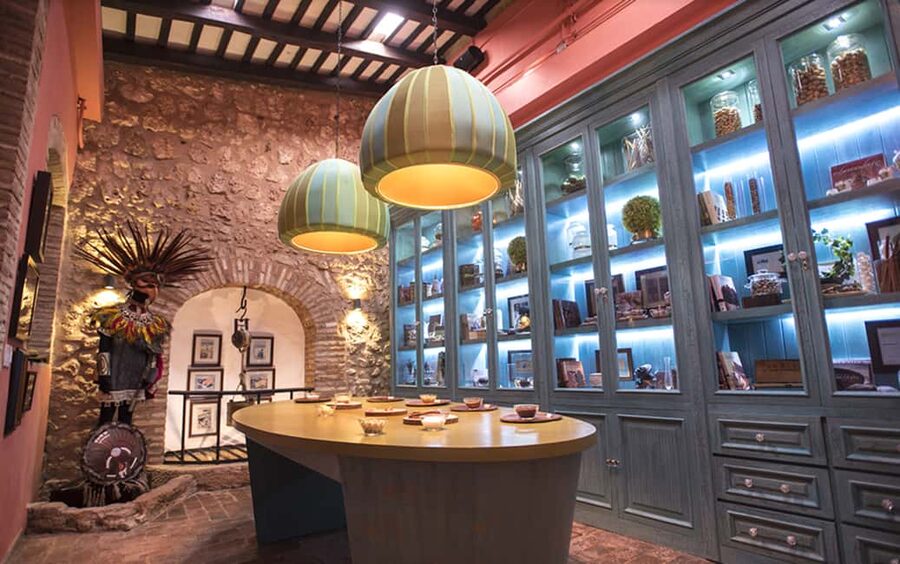
The visit begins at the Holographic Theater, where different ghosts from the world of chocolate appear and tell the story of cacao. This is not a dry museum lecture. The theatrical format gives the opening a playful edge, which helps younger visitors and keeps the short tour moving.
You’ll learn how cacao reached Hispaniola and later spread around the world. The exact historical story is useful because it puts Dominican cacao into a wider picture. Chocolate did not simply appear as a finished sweet. It traveled through cultures, farming systems, trade routes, and changing production methods.
I would pay attention here even if you mainly came for the tasting. The later rooms make more sense once you understand that chocolate has a long journey before it reaches a wrapper. The theater also gives the experience a clear beginning, rather than dropping you into a factory without context.
The tour starts every 11 minutes. That unusual schedule can be handy if you are fitting KahKow between other stops in the Colonial Zone. It also means you should check the available starting time instead of assuming the attraction runs only at a few fixed hours.
More Chocolate and Coffee Tours in Santo Domingo:
- Zona Colonial: Recorrido Histórico con Chocolate y Mamajuana
★ 4.8 · 76 reviews - Santo Domingo Small Group Walking Tour: Beer and Specialty Coffee
★ 5.0 · 55 reviews - Dominican Republic: 3-Hour Chocolate Lovers Tour
★ 4.9 · 4 reviews
Meeting the cacao pod in the plantation room
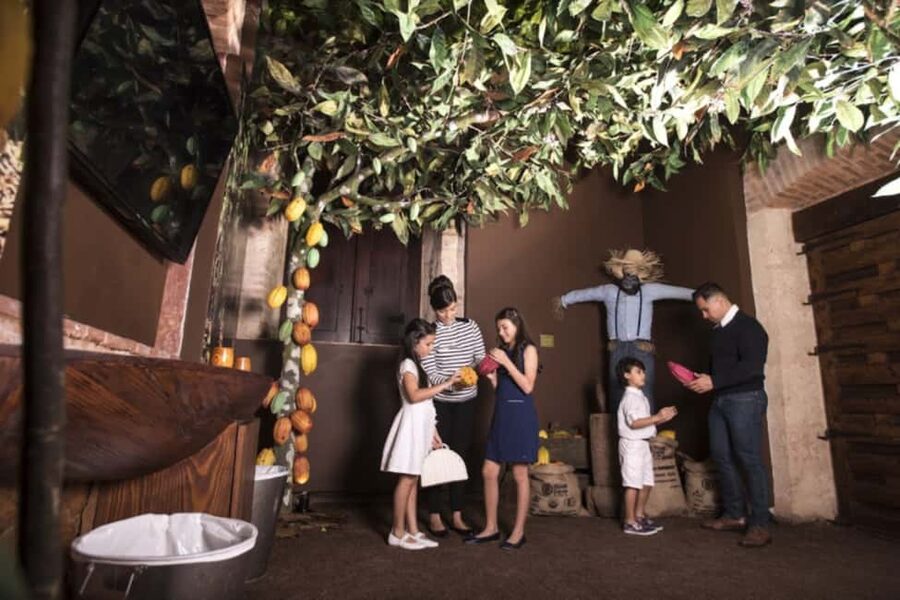
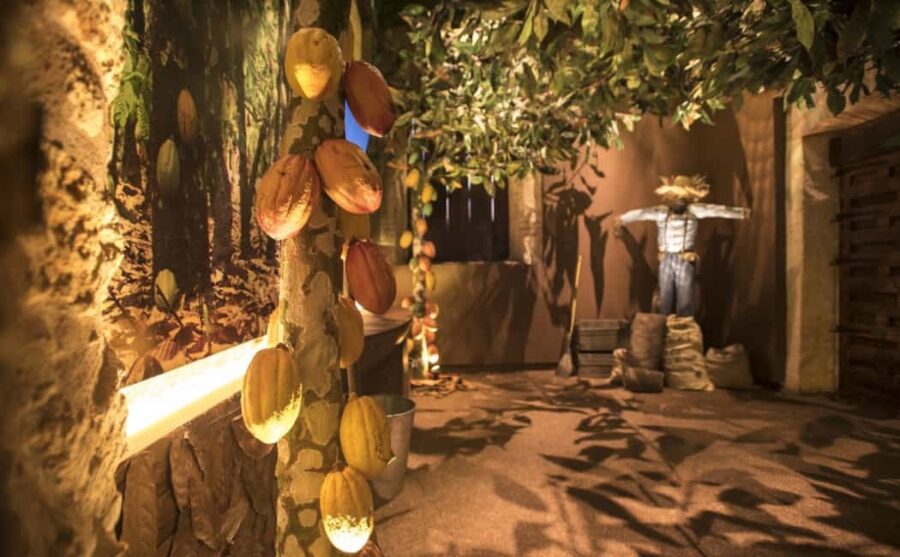
After the theater, you move into a Cocoa Plantation setting designed to feel like a real forest. Here you can sample cacao fruit and get a closer look at the raw material behind chocolate.
This is one of the most useful parts for anyone who has only known cacao as a powder or candy bar. The fruit stage makes the process feel physical and real. You can connect the pod, the beans, the pulp, and the final chocolate rather than treating cacao as an abstract ingredient.
The plantation room is also a good reason to bring children. They can see and taste something before the technical explanations begin. You do not need a serious interest in chocolate production to enjoy this section, since the tasting gives it an immediate purpose.
Keep your expectations sensible. This is a simulated plantation setting within an urban attraction, not a visit to a working farm. You will not be walking through a large Dominican estate or seeing every stage outdoors. The value is in the explanation and tasting, especially if you have limited time in Santo Domingo.
Why fermentation and drying change the chocolate
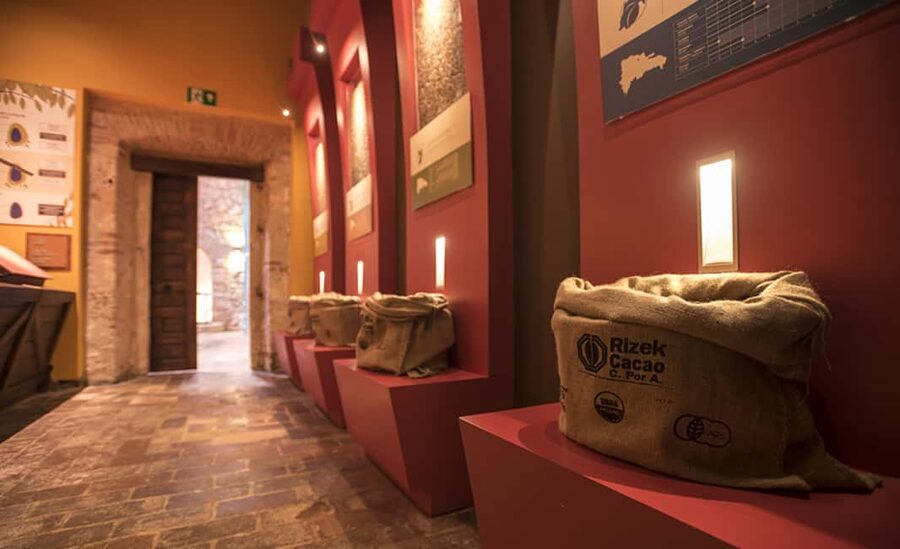
The Fermentation Room covers the post-harvesting work that happens after cacao is picked. Your guide explains fermentation, drying, and why both steps matter for quality.
This may be the least flashy part of the visit, but it is important. Cacao beans do not become fine chocolate simply because they are harvested. Fermentation helps develop the flavors that later appear in the finished product, while drying prepares the beans for storage and further production.
I like that the tour gives these steps their own room. Many chocolate attractions rush from the farm to the finished bar and skip the technical middle. Here, you get a clearer idea of why beans from different places can taste different and why careful handling matters.
The presentation is likely to be brief because the whole basic tour is brief. If you want a detailed lesson in temperature, timing, or industrial quality control, this will feel introductory. If you want to understand the main stages without taking a class, the explanation should be enough.
Testing your five senses in the Sensory Room
Next comes the Sensory Room, where you are challenged to use all five senses to identify ingredients found in chocolate. This changes the pace from listening to participating.
You may rely on smell, touch, sight, taste, and sound as you work through the challenge. If you guess correctly, you get the chance to taste different chocolate percentages made by KahKow Organic Chocolate.
The percentage tasting is valuable because it lets you compare chocolate with different levels of cacao. You can notice how a higher cacao percentage may taste different from a sweeter blend, though the precise samples available can vary.
I would not worry about getting every answer right. The point is to pay attention to how chocolate changes when its ingredients and proportions change. This makes the tasting more useful than simply eating a sample and being told that it is good.
For couples, families, and small groups, this is likely to be the most social part of the tour. You can compare guesses and preferences without needing prior knowledge. The small-group format is meant to provide personal attention, and the compact rooms help keep the activity intimate rather than turning it into a large crowd presentation.
Same island, a completely different sort of day:
- Santo Domingo: Los Tres Ojos, Boca Chica & More
★ 4.8 · 219 reviews - Colonial Zone: Historical Tour with a visit to the Columbus Lighthouse and Tres Ojos Park
★ 4.9 · 157 reviews - Santo Domingo: Colonial Zone Bike Tour
★ 5.0 · 127 reviews - Ron Barcelo Anejo Experience Factory Tour
★ 5.0 · 111 reviews
Watching the factory through the glass box
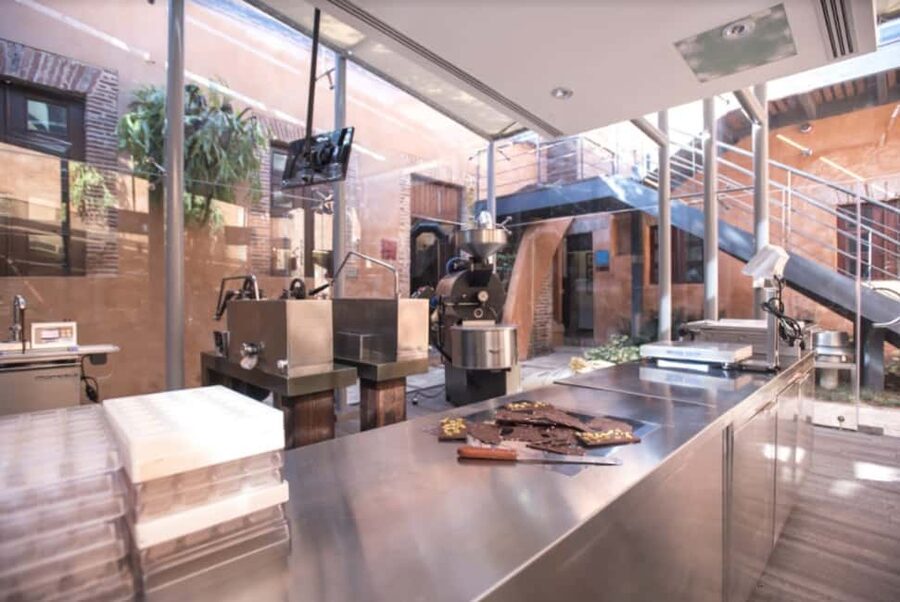
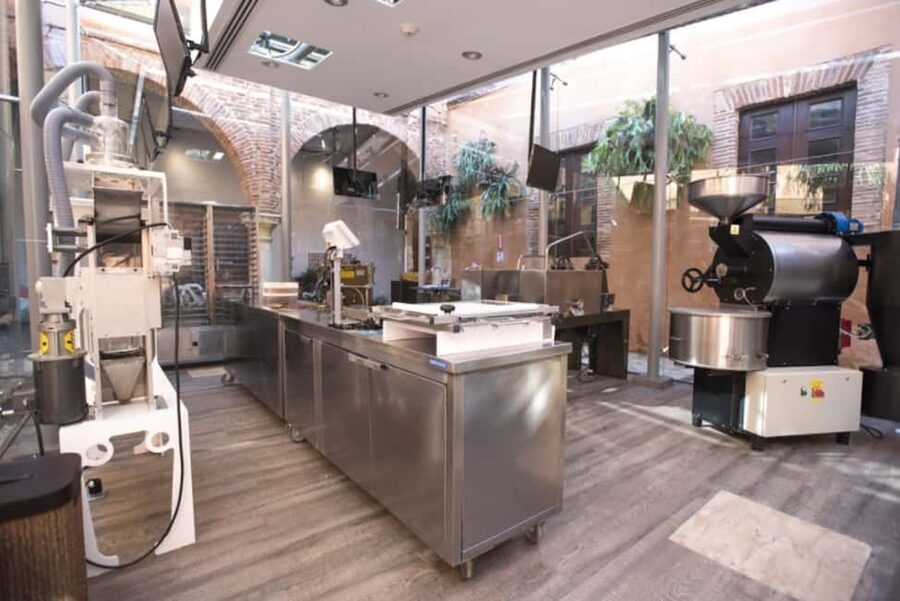
The final regular stop is the glass box on the Spanish Patio. From here, the guide explains how the factory machines work and how the raw materials become the finished product.
This is where the earlier rooms come together. You have seen the cacao fruit, heard about fermentation and drying, and tasted chocolate at different percentages. Now you can connect those ideas with the machinery used to produce the final item.
The glass viewing area lets you watch without being in the middle of the production equipment. That makes it easier to hear the explanation and keeps the visit orderly. It also gives you a useful look at the difference between hand tasting and factory production.
The machinery section may be the least personal part of the tour. You are looking at equipment rather than making chocolate yourself. That is why I would consider the optional workshop if you want to finish with something you create by hand.
Choosing the chocolate workshop
The Chocolate Workshop is the natural add-on for anyone who wants more than an explanation. You create your own chocolate bar at the end of the tour.
That small act changes the visit from a museum-style stop into a practical activity. You have already tasted cacao and compared chocolate percentages, so making a bar gives you a reason to think about the ingredients and final texture.
The workshop is also a good choice if you want a souvenir with a personal connection. Instead of only purchasing a packaged product, you make something during the visit. One visitor who chose the workshop made chocolate and then bought additional products, which suggests that the shop can extend the experience after the tour.
The supplied information does not specify the exact ingredients, shapes, decoration choices, or time required for the workshop. I would therefore book it for the hands-on element, not for a particular design or recipe you may have in mind.
Making cacao-butter soap at La Esmeralda
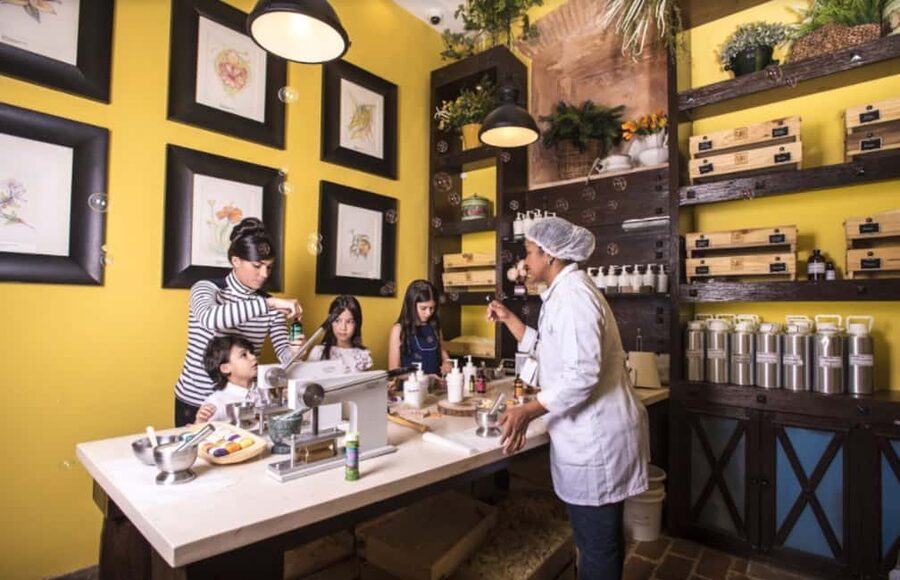
The alternative is the Soap Workshop. Here you learn to make your own soap using a cacao-butter formula prepared by workers at La Esmeralda. You can add a preferred aroma for a more personal result.
This option makes sense if you enjoy crafts or want to explore cacao beyond food. Cacao butter is not only associated with chocolate, and the soap activity shows another way the cacao plant can be used.
The aroma choice gives you a simple way to customize the finished item. It also makes the workshop suitable for someone who is less interested in eating chocolate but still wants an activity connected to cacao.
You cannot assume both workshops are included in the basic admission. The experience lists the chocolate and soap workshops as options, so check that you have selected the correct version when booking. The regular tour includes the interactive visit and cacao bean tasting, while the workshop is an added feature.
What the $21 price gives you
At $21 per person, the basic tour is priced as a short cultural activity rather than a full-day food excursion. The value comes from the number of formats packed into the visit: theater, tasting, explanation, sensory game, and a look at working machinery.
I consider the price reasonable if you are already exploring the Colonial Zone and want a structured stop that lasts under an hour. You can learn something, taste cacao, and return to the streets without giving up half a day.
The calculation changes if you expect a large quantity of chocolate, a meal, or a long factory visit. Food and drinks are not included, and the activity is not designed as a full food tour. Tastings are part of the chocolate experience, but you should not arrive expecting lunch.
The workshop option can improve the value for you if you prefer active experiences. It gives the visit a clearer souvenir and adds a creative task. If you only have a few free minutes, the basic tour may be enough.
Location, timing, and access
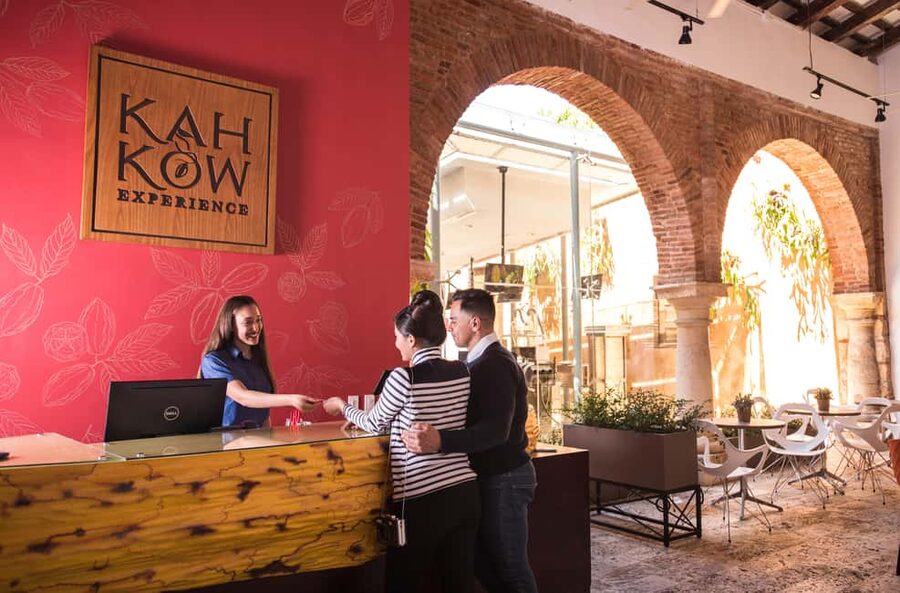
KahKow Experience is at Calle Las Damas 102 in Santo Domingo’s Distrito Nacional, with the listed address in the Colonial Zone. The central location makes it practical to combine with nearby historic sights.
The tour lasts 25 to 50 minutes. The shorter timing fits the standard route, while the longer timing likely allows for an optional workshop or a fuller visit. Check the available starting time before you go, since tours begin every 11 minutes rather than following only a few broad time slots.
You should bring a passport or ID card. The tour is wheelchair accessible and stroller accessible, which makes it easier to include in a family itinerary or a day of sightseeing with mobility needs.
Live guiding is available in English, Spanish, French, German, and Russian. Select your language when reserving if that matters to you. The attraction provides a guide rather than asking you to move through the rooms entirely on your own.
You can cancel up to 24 hours in advance for a full refund, and the reserve-now, pay-later option lets you hold a place without paying at once. Those terms are useful if your Santo Domingo schedule is still changing.
Who will enjoy this most
I would choose this experience for you if you want a short indoor activity with real tastings and clear explanations. It suits first-time chocolate fans, families, couples, and anyone curious about Dominican cacao but unable to visit a rural plantation.
It is especially useful on a hot or rainy day. The route moves through themed indoor areas and does not require a long walk. The central address also lets you add it to a day in the Colonial Zone without arranging separate transport.
The experience is a good match for children because it uses holograms, a forest-style room, tasting, and a guessing game. The sensory section gives them something to do rather than asking them to listen quietly for the entire visit.
I would be more cautious if you want a serious professional chocolate class. The regular tour is an introduction, and the workshop is a short add-on rather than a full course in confectionery. The attraction explains the process well, but it does not promise detailed instruction in bean selection, tempering, or recipe development.
It may also feel too brief if you have traveled far specifically for a cacao-farm visit. You will see how chocolate is made, but you will not be touring an actual plantation in the countryside based on the information provided.
A practical way to plan your visit
Set aside at least 25 minutes for the basic route and closer to 50 minutes if you add a workshop. Give yourself extra time before or after if you want to look at KahKow products, since the tour itself does not include general food or drinks.
Wear whatever is comfortable for a short indoor attraction. The important practical items are your passport or ID card and your booking details. If you use a stroller or wheelchair, the stated access makes this a simpler choice than many older historic buildings in the Colonial Zone.
If you are choosing between the two workshops, pick the chocolate option if you want an edible souvenir and a direct link to the tasting. Pick soap if you prefer a craft activity, want to use a chosen aroma, or are curious about cacao butter outside the kitchen.
The tour starts promptly, so arrive ready for the next available 11-minute departure. Since the schedule is frequent, missing one start should not create a long wait, but you should still allow enough time to find Calle Las Damas 102.
Should you book the KahKow chocolate tour?
Book it if you want a short, affordable chocolate experience in Santo Domingo with more substance than a simple shop visit. The holographic opening, cacao tasting, fermentation explanation, sensory challenge, and factory view create a well-shaped introduction to the subject.
Choose the workshop version if you want the best use of your time and enjoy making something yourself. Skip the add-on if your schedule is tight or you mainly want the history and tastings.
I would not book it as a replacement for a full cacao plantation visit or an advanced chocolate course. I would book it as a smart Colonial Zone stop, especially for families and first-time visitors who want a clear look at how cacao moves from fruit to finished chocolate.
FAQ
Where does the chocolate tour take place?
The tour takes place at KahKow Experience, Calle Las Damas 102, Santo Domingo 10210, República Dominicana.
How long does the experience last?
The activity lasts 25 to 50 minutes. Check the available start time, especially if you choose an optional workshop.
What languages are available?
Live guiding is available in English, Spanish, French, German, and Russian.
Is the chocolate workshop included?
The Chocolate Workshop is included only if you choose that option when booking. The regular experience includes the interactive chocolate tour and cacao bean tasting.
Can I choose a soap workshop instead?
Yes. You can select the Soap Workshop, where you make soap with a cacao-butter formula and choose a preferred aroma.
Is the tour wheelchair and stroller accessible?
Yes. The activity is wheelchair accessible and stroller accessible.
More Workshops in Santo Domingo
- Santo Domingo: Bachata or Salsa Dance Classes
★ 4.9 · 41 reviews - Santo Domingo: Latin dance classes: Salsa and more
★ 4.8 · 13 reviews - Macao Beach Private Surf Lessons
★ 5.0 · 139 reviews - Group Surf Lessons Punta Cana – Fun, Easy & Beginner-Friendly
★ 4.5 · 121 reviews
Newest Santo Domingo trips we have written up
- Santo Domingo: Tres Ojos, Faro a Colón & Mamajuana Tour★ 5.0 · 3 reviews
- Santo Domingo: Small Group Tour with Cable Car from Bayahibe★ 3.9 · 5 reviews
- Santo Domingo Tour with caves from Punta Cana★ 4.0 · 5 reviews
- Punta Cana: Saona Island VIP | Private Beach, Open Bar & Lunch★ 3.4 · 6 reviews
- Santo Domingo: Saona Island Cataraman Food And Drink★ 4.7 · 4 reviews
- Santo Domingo: Paradisiac Waterfall & Lunch Cooked Over Wood★ 5.0 · 3 reviews
- Santo Domingo: Private City Tour walking★ 4.1 · 3 reviews
- Santo Domingo: Nightlife, Rhythm, Culture Tour with Locals★ 5.0 · 4 reviews
Chocolate and Coffee Tours, compared.

4×4 Dominican Adventure with Chocolate and Coffee Tasting
Read our review →
4×4 ATV Experience, Water Cave, Chocolate and Coffee Tasting
Read our review →
Buggy Adventure Tour with Chocolate and Coffee in Punta Cana
Read our review →
Buggy Ride Into the jungle with cave coffee & chocolate tasting
Read our review →
Road Off Half Day Buggy with Chocolate and Coffee Tasting
Read our review →
ATV Adventure w/ Chocolate, Coffee & Cave Swim in Punta Cana
Read our review →
Buggy Adventure to Water Cave and Macoa Beach with Coffee Taste
Read our review →
Puerto Plata Private City Tour with Mount Isabel & Rum &Chocolate
Read our review →Browse the lists this tour appears in