
Reviewed · RUM AND CIGAR TASTINGS
San Pedro De Macoris: Ron Barcerló Rum Factory Tour
Ron Barceló’s factory tour shows the full route from Dominican sugar cane to finished rum, including barrel storage, barrel preparation, tank filling, bottling, and packaging. The best part is that you are not limited to a polished tasting room. You see working parts of the operation, then finish with a sample of the product.
I like the factory-to-glass route and the visit to the Centro Histórico Ron Barceló, the first center of its kind in the Dominican Republic. The price is also appealing: $20 gives you a guided visit, museum access, and a rum tasting. The main catch is transport, since the factory sits in a remote location and is not well marked from the road.
Key points
- See more than the tasting room: Visit aging cellars, barrel workshops, tanks, bottling areas, and packaging operations.
- Choose your tasting style: The standard visit includes Añejo tasting, while the Imperial option lasts up to 90 minutes and takes place inside an aging cellar.
- Meet multilingual guides: Tours are offered in English, French, Spanish, German, and Italian. Guides have included Juan Carlos, Leonardo, and Luis.
- Visit the company museum: A small museum and video explain the story of rum and Ron Barceló’s development.
- Plan for a staircase: You must climb 25 steps, and closed-toe shoes are required.
- Arrange your own ride: Transportation to and from Centro Histórico Barceló is not included.
From sugar cane to bottle at Ron Barceló
This is a production tour first and a rum tasting second. You begin by seeing how Ron Barceló handles its daily work, then move through the parts of the factory that turn spirit into a finished bottle.
The route covers old and new methods. That matters because rum can seem simple in a glass, but the character comes from many stages: distillation, barrel aging, evaporation, blending, filling, and careful packaging. You get a clearer sense of why two rums can taste so different even when both begin with sugar cane.
The factory experience is also more useful than a sales pitch. You see the working side of the company, including the practical jobs that sit behind the final label. Depending on the day and the factory schedule, some operations may be quieter or closed. One January visit did not include the bottling plant because of the time of year, but the rest of the tour still offered enough to make the trip worthwhile.
More Rum and Cigar Tastings in La Romana:
- 101 Oliver Rum Tasting & Pairing And Taino Concept Store
★ 5.0 · 244 reviews - Punta Cana Buggy with Cave Dip, Mamajuana Tasting & Macao Beach
★ 4.5 · 233 reviews - Punta Cana Oliver & Oliver Rum Tasting & Taino Concept Store
★ 4.6 · 146 reviews
The aging cellar and the disappearing rum
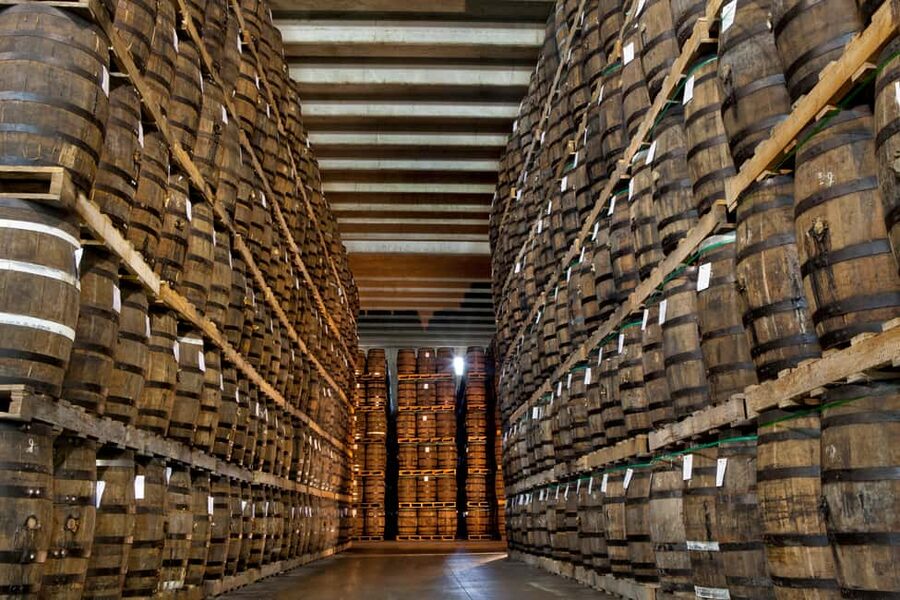
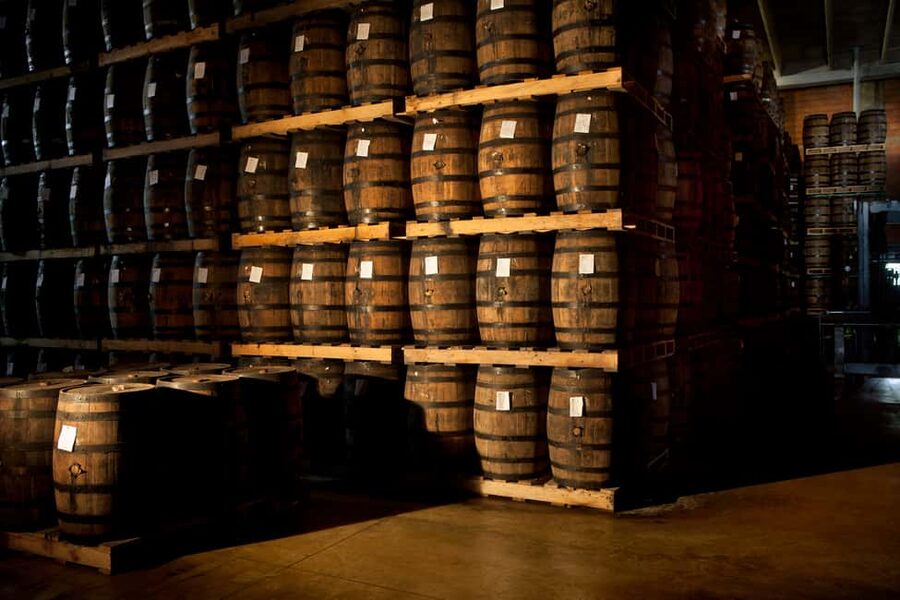
The aging cellar is one of the most memorable parts of the route. Rows of barrels hold rum as it develops flavor and color over time. Your guide explains the evaporation process, sometimes called the angel’s share, when a small amount of liquid is lost from the barrel during aging.
The cellar gives you a better understanding of patience in rum making. The spirit does not simply go into a barrel and emerge ready for sale. Time, wood, storage conditions, and blending all affect what finally reaches your glass.
If you choose the Imperial option, the tasting takes place inside the aging cellar. This version lasts about 90 minutes and includes a private guide who focuses on how to appreciate the rum. It is the more intimate choice, especially if you want to spend less time on a general factory route and more time tasting the premium Barcelo Imperial Rum.
Check the exact tasting offered when you reserve. The standard description centers on Añejo rum, while the Imperial option gives access to the premium Imperial bottle. The supplied tour details also list Imperial tasting among the inclusions, so asking which tasting applies to your selected option will prevent confusion.
Where the barrels are prepared
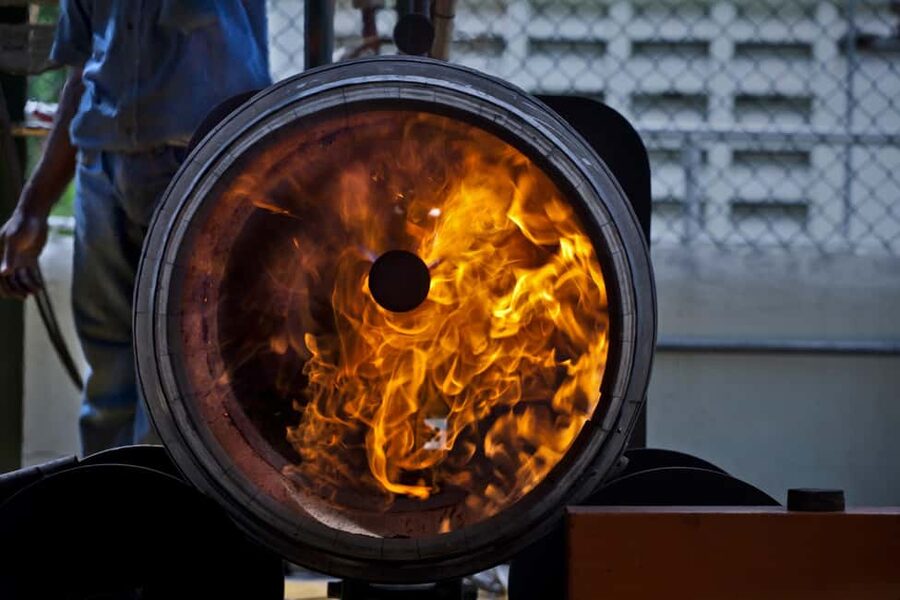
The barrel workshop adds a useful bit of craft to the industrial tour. Before barrels hold rum, they are prepared by scraping and burning the wood. That work helps shape the conditions inside the barrel and affects the flavor the rum gains during aging.
This stop is easy to overlook on a typical distillery visit, but it helps connect the raw materials with the final drink. You see that the barrel is not just a container. Its preparation is part of the recipe.
The tour may feel less polished here than in the museum or tasting area. That is not a bad thing. You are seeing a working process rather than a staged display, and the amount of activity can depend on what is taking place that day.
Tanks, bottling, and packaging
The route continues to the tank filling operation and then to bottling and packaging. These sections show the final steps before the rum reaches shops and bars.
The bottling plant can be an active and interesting stop, but it is also the part most affected by the production calendar. If the line is not running, your guide can still explain the process, but you may not see bottles moving through the complete operation.
That limitation is worth keeping in mind if you are booking mainly for factory machinery. The tour still includes aging areas, barrel work, the museum, and tasting, but the day’s schedule can change what is operating in front of you.
A few more La Romana days worth weighing up
- Saona Island small group and relax – luxury catamaran
★ 5.0 · 605 reviews - Bayahibe Tour Buggy Adventure In Rivers, Caves And Beaches
★ 4.0 · 253 reviews - Catalina Island – Snorkeling tour on a luxury catamaran
★ 5.0 · 151 reviews - From Punta Cana or Bayahibe: Catalina Island with Snorkeling
★ 3.7 · 144 reviews
The Centro Histórico Ron Barceló museum
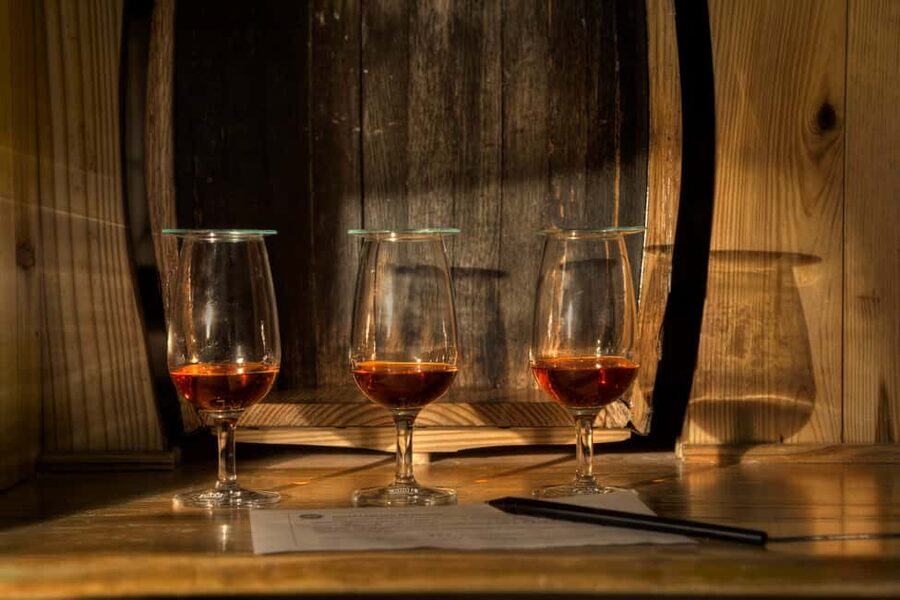
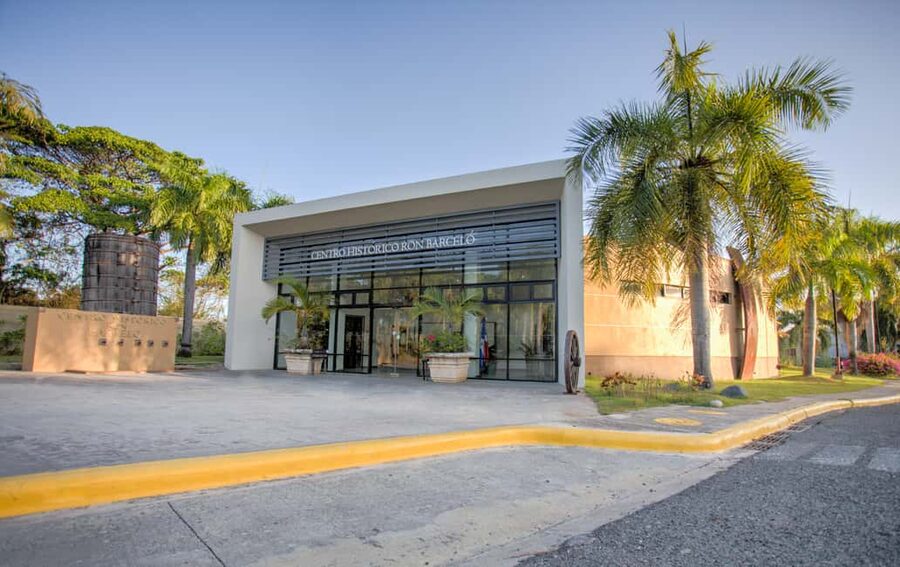
After the factory sections, you visit the Centro Histórico Ron Barceló. This center presents the company’s story and the wider development of rum making through displays and a video.
The museum is described as small, but that can work in your favor. You do not need half a day to understand it, and the information gives the factory visit a clearer frame. The video adds more detail about the company than you get while walking between production areas.
I would treat the museum as a compact final chapter rather than the main reason to visit. If you want a large rum museum with extensive collections, this will feel limited. If you want a short, clear explanation of Ron Barceló’s background before tasting, it does the job.
Tasting Añejo and Imperial rum
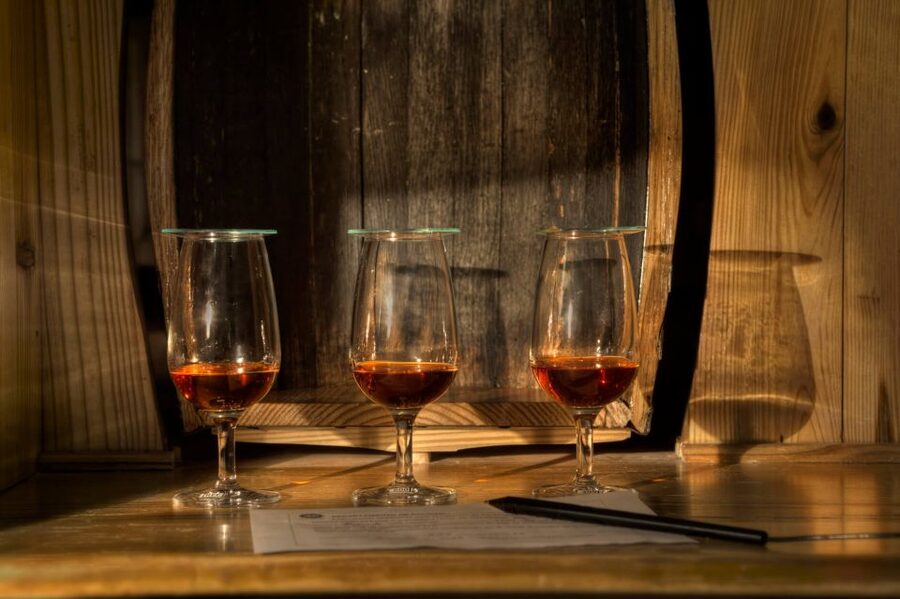
The tasting is the reward at the end of the route. The regular experience includes an Añejo tasting, and the tour information also refers to Imperial rum tasting. The Imperial choice offers the more premium format, with time in an aging cellar and a private guide.
One standard visit ended with three different rums, so the number of samples can vary by arrangement. Additional samples may be available for purchase at the tasting bar, but you should not assume every tour package includes the same lineup.
Your guide helps you notice the differences rather than simply handing you a glass. Pay attention to color, aroma, sweetness, warmth, and the effect of barrel aging. You do not need to be a rum expert. The point is to learn what you like and why.
The tasting bar also connects directly with the gift shop. Rum sold at the factory is reported to be cheaper than elsewhere, making this a sensible place to compare prices before buying. Product availability and prices can change, so bring your passport or ID if requested and confirm the purchase details on site.
Guides and language choices
The tour is offered in English, French, Spanish, German, and Italian. Named guides who have led visits include Juan Carlos, Leonardo, and Luis.
Juan Carlos led an English-language visit that covered the barrel storage warehouse, barrel making, tank filling, and bottling operations before moving to the museum and tasting. Leonardo led a French-language visit, and Luis helped explain the factory process and answered questions in detail.
A live guide makes a real difference here. The machinery and barrels are interesting, but without explanation, you may miss why each stage matters. A small group is available, which should make it easier to ask questions and keep up with the guide.
The tour can sometimes be very small. One Spanish-language visit had only one person, which allowed the guide to shape the pace around that guest. Group size depends on the date and booking, so do not count on a private visit unless the Imperial option specifically provides one.
Is $20 good value?
At $20 per person, this is a strong-value factory visit if you are already near San Pedro de Macorís or can arrange reasonably priced transport. You get a guide, access to the historic center, a museum visit, and a tasting. The route also covers more than one part of rum production, which makes the price feel fair.
The value changes if a taxi or private transfer costs much more than the admission. Transportation is not included, and the factory is remote. One useful practical lesson is to arrange your return ride before arriving, especially if you are traveling alone. Staff may help find transport, but you should not leave the return journey to chance.
You may also want to compare the standard and Imperial options. The regular tour is enough for most people who want factory access and a taste. The Imperial version makes more sense if you care about premium rum, a private guide, and tasting inside the cellar.
Finding the factory and preparing for the visit
The meeting point is Ron Barcelo, San Pedro de Macoris 21000, Dominican Republic. The listed coordinates are 18.5423793, -69.38558089999998.
Use Google Maps and check your route before leaving. The factory is not well signposted, so relying on roadside directions may slow you down. This is especially important if you are driving yourself or arranging a taxi from another town.
Wear closed-toe shoes. Sandals, flip-flops, and high heels are not allowed, and you must climb a 25-step staircase during the visit. Weapons and sharp objects are prohibited. Bring a passport or ID card.
The visit lasts from one hour to 90 minutes, depending on the option you choose. Starting times vary, so check availability when booking. Free cancellation is available up to 24 hours before the tour, and you can reserve now and pay later if that option suits your plans.
Who will enjoy this tour most?
I would recommend it to anyone curious about how rum is made, not just anyone looking for a quick drink. It suits adults interested in food and drink production, visitors with a spare morning or afternoon, and people who want a break from resort activities.
It is also a good choice for rum fans who want to compare Añejo and Imperial styles at the source. The Imperial version is the better match if your main interest is tasting and personal guidance.
Families can appreciate the museum and factory process, but the experience is built around rum. It is not a general sightseeing tour of San Pedro de Macorís, and there is no food included. Anyone with limited mobility should also consider the 25-step staircase before booking.
Should you book the Ron Barceló factory tour?
Book it if you want a practical look at rum production, a short museum visit, and a tasting at a reasonable admission price. The strongest parts are the aging cellar, barrel workshop, multilingual guides, and the chance to buy rum at the factory.
Think twice if you expect every machine to be running or if you do not have a clear plan for getting to and from the remote site. For the best fit, choose the standard option for a solid one-hour introduction, or select Imperial if you want a longer cellar tasting with a private guide.
FAQ
Where is the Ron Barceló factory tour held?
The meeting point is Ron Barcelo, San Pedro de Macoris 21000, Dominican Republic. The listed coordinates are 18.5423793, -69.38558089999998.
How long does the tour last?
The experience lasts from one hour to 90 minutes. The Imperial option is the 90-minute format.
How much does the tour cost?
The listed price is $20 per person.
Is transportation included?
No. Transportation to and from Centro Histórico Barceló is not included.
What languages are available?
Live guides are available in English, French, Spanish, German, and Italian.
What rum can I taste?
The standard experience includes an Añejo rum tasting. The Imperial option includes access to Barcelo Imperial Rum, with the tasting held inside an aging cellar. Confirm the exact tasting lineup when booking.
Do I need to bring identification?
Yes. You should bring a passport or ID card.
What should I wear?
Closed-toe shoes are required. High heels, sandals, and flip-flops are not allowed.
Are there stairs on the tour?
Yes. You must climb a 25-step staircase.
Can I cancel the booking?
You can cancel up to 24 hours in advance for a full refund. A reserve-now, pay-later option is also available.
Newest La Romana trips we have written up
- Private Santo Domingo Airport (SDQ) Transfers To La Romana & Bayahibe Hotels★ 4.5 · 5 reviews
- Transfer from Punta Cana Airport to Romana Bayahibe hotels and vice versa.★ 4.5 · 13 reviews
- Transfer from Punta Cana to Bayahibe★ 5.0 · 3 reviews
- Half Day Guided Tour to Montana Redonda and Sunset Pickup in Cap Cana★ 5.0 · 3 reviews
- Transfer from Punta Cana Airport to La Romana★ 5.0 · 19 reviews
- Shore Excursion: Viva Wyndham Resort For The Day With Unlimited Food & Drinks★ 3.5 · 5 reviews
- Punta Cana: Round Mountain Beach Tour – A Breathtaking Adventure★ 5.0 · 6 reviews
- Saona by Speedboat: Private Beach & Snorkeling – Small Group★ 5.0 · 4 reviews
Rum and Cigar Tastings, compared.
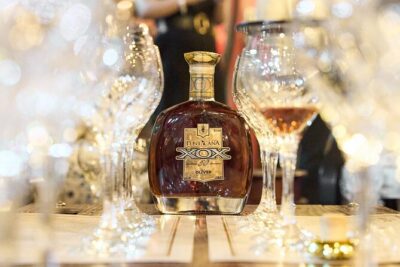
101 Oliver Rum Tasting & Pairing And Taino Concept Store
Read our review →
Punta Cana Buggy with Cave Dip, Mamajuana Tasting & Macao Beach
Read our review →
Punta Cana Oliver & Oliver Rum Tasting & Taino Concept Store
Read our review →
Don Lucas Cigar Factory & Store + Premium Rum Tasting (3 hours)
Read our review →
Puerto Plata Private City Tour with Mount Isabel & Rum &Chocolate
Read our review →
Buggy Tour in Punta Cana: Mamajuana – Coffee – Swimming in Cenote and Macao Beach
Read our review →
Zona Colonial: Recorrido Histórico con Chocolate y Mamajuana
Read our review →Browse the lists this tour appears in