
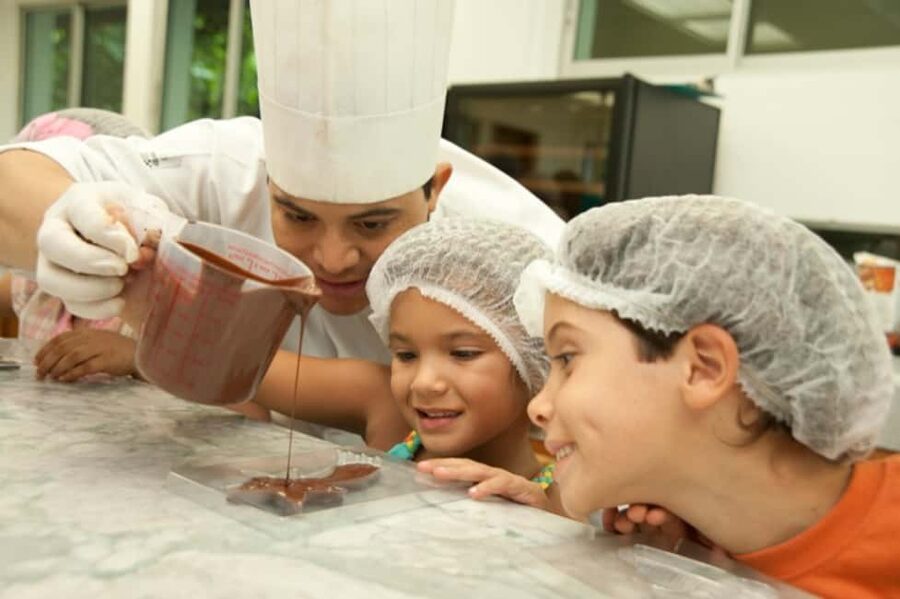
Reviewed · CHOCOLATE AND COFFEE TOURS
Dominican Republic: 3-Hour Chocolate Lovers Tour
The most interesting part of this three-hour outing is that it treats chocolate as a farm product, not just a sweet snack. At El Sendero del Cacao, you follow the cacao plant from sowing and harvesting through fermentation, drying, and factory processing, then finish with a guided tasting.
I like the chance to plant your own cacao seed and the way lunch breaks up the lesson with a taste of local food. I also like that the tour visits a second small plantation, where you can see more mechanical processing instead of hearing only a general farm talk.
The main point to watch is the timing. It is sold as a three-hour experience, yet one booking report described a visit lasting about two and a half hours. You must also arrange your own transport to the meeting point in Duarte.
Key points at a glance
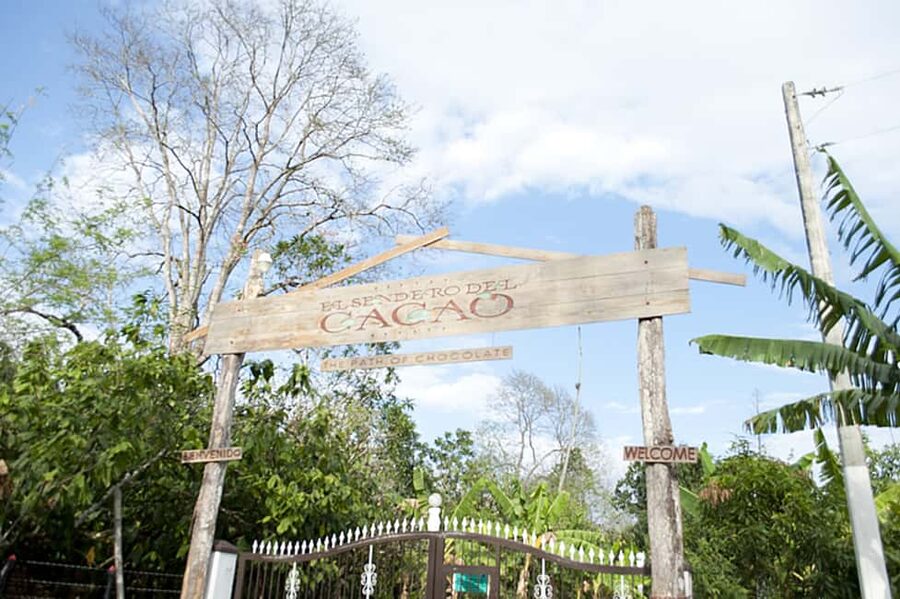
- Start with the cacao plant itself: Sow your own plant and learn why the Dominican Republic can grow fine cacao.
- Follow the full production chain: See harvesting, pod cutting, bean extraction, fermentation, and drying.
- Taste with all five senses: The chocolate session explains how to assess aroma, texture, flavor, and appearance.
- Eat lunch as part of the visit: A local lunch and hot chocolate are included in the $83 price.
- Add a factory and second plantation stop: Compare hands-on farm work with small-scale automated processing.
- Choose your language: Live guides are available in English, Spanish, and French.
From cacao seed to chocolate bar
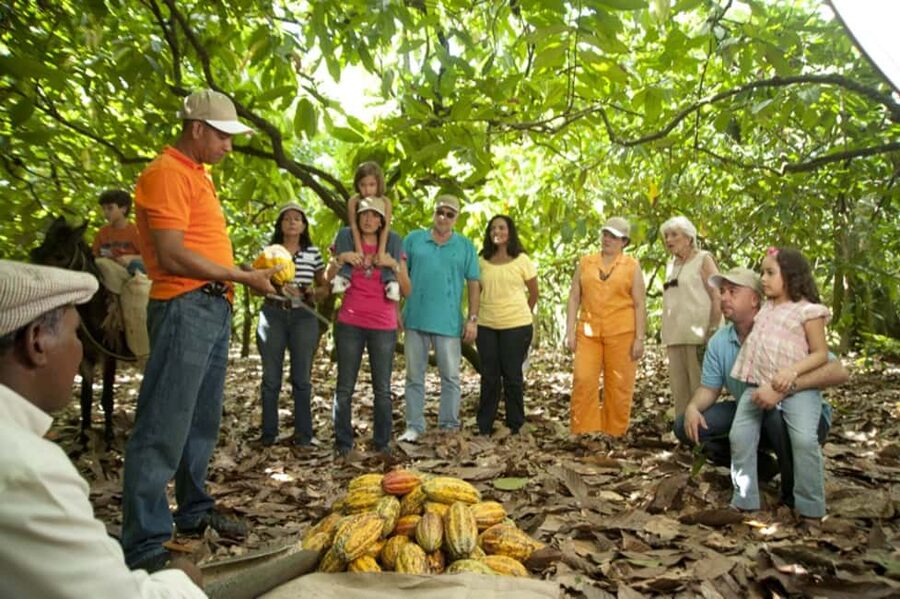
This is not a quick stop at a shop with a few free samples. The tour begins at an organic cacao plantation, where you learn that quality chocolate starts long before a machine turns beans into a finished product.
You begin with sowing. Planting your own cacao seed gives the first part of the tour a practical touch, especially for children and anyone curious about farming. You are not simply told that cacao grows on a tree. You take part in the first step and then learn what happens as the plant develops.
The plantation visit also places chocolate in its Dominican setting. The guide explains the local ecosystem and the conditions that support fine cacao production. The supplied information does not give a detailed list of climate or soil features, so you should expect a general explanation rather than a scientific field study.
Next comes the harvest process. You learn how a cacao pod is cut open and how the beans are extracted. This is useful because the beans do not look or taste like the chocolate most people know. The tour helps you connect the raw pod with the familiar finished product.
The strongest part of the farm lesson is the post-harvest work. Fermentation and drying have a major effect on the final flavor, and the guide explains why those steps matter. Many chocolate experiences skip over this stage, yet it is where cacao begins to develop the qualities needed for gourmet chocolate.
More Chocolate and Coffee Tours in Santo Domingo:
- Zona Colonial: Recorrido Histórico con Chocolate y Mamajuana
★ 4.8 · 76 reviews - Santo Domingo: Chocolate Tour + Optional Workshops
★ 4.5 · 60 reviews - Santo Domingo Small Group Walking Tour: Beer and Specialty Coffee
★ 5.0 · 55 reviews
Why fermentation and drying matter
After cacao beans are removed from the pod, they need careful handling. The tour explains fermentation and drying as separate stages, rather than treating them as a single farm chore.
That distinction matters for you as a taster. If you later notice differences in aroma, flavor, or texture between chocolates, you will have a better idea of where those differences can begin. The tour does not promise that you will become a chocolate maker in three hours, but it gives you a useful framework for understanding the product.
You also visit another plantation where the processing is more automated on a small scale. This is a good contrast with the first farm stop. The first visit focuses on the crop and the human work around it, while the second shows equipment helping with cacao processing.
I like this comparison because it keeps the outing from becoming a single repeated demonstration. You see that cacao production can involve both traditional plantation work and small-scale machinery. The experience remains fairly compact, but the two sites give the subject more range.
Following your nose to the chocolate factory
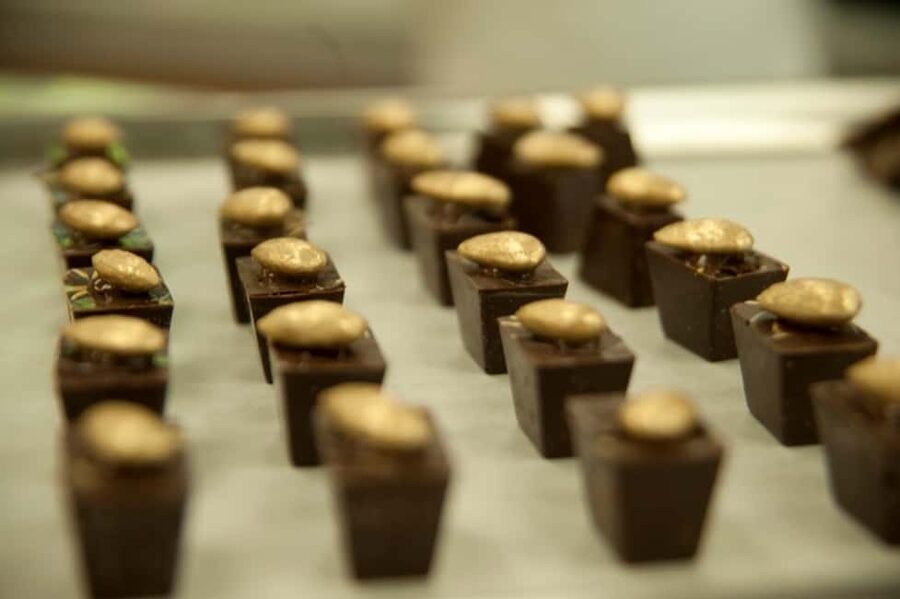
The move from plantation to chocolate factory changes the focus from agriculture to production. You learn about the final stages that turn prepared cacao into chocolate.
The description promises that you follow your sense of smell to the factory. That detail suggests a sensory transition, with the scent of chocolate acting as a guide into the next part of the visit. The available information does not list the exact machinery or the specific products made there, so you should not expect a full industrial factory tour.
Instead, think of this as a small-scale production lesson. The factory visit helps you understand how the beans move from farm processing toward finished chocolate. It also reinforces the point that good chocolate depends on several earlier steps, not only on the final recipe.
This is especially useful if you usually think of chocolate as a single ingredient. Here, you see a chain that includes planting, harvest, extraction, fermentation, drying, and final processing. The experience gives each stage a place in the story.
A local lunch and hot chocolate break
Lunch is included, along with hot chocolate. That makes the price easier to judge, since you are not paying $83 for a tour that ends just before a meal.
The meal also gives the experience a cultural angle. The tour includes an introduction to Dominican culture in a fun, food-centered way, though no specific menu is provided. You should not book this expecting a detailed cooking class or a full food tour. The focus remains cacao, with lunch serving as a local pause in the program.
I like the placement of lunch after the plantation and processing lessons. By that point, you have spent time thinking about cacao as a crop and a product. A meal gives you time to reset before the tasting session.
Since dietary details are not provided, ask ahead if you have allergies or strict food requirements. The same applies to the chocolate tasting, since the available information does not specify the number of samples or whether alternatives are available.
Same island, a completely different sort of day:
- Santo Domingo: Los Tres Ojos, Boca Chica & More
★ 4.8 · 219 reviews - Colonial Zone: Historical Tour with a visit to the Columbus Lighthouse and Tres Ojos Park
★ 4.9 · 157 reviews - Santo Domingo: Colonial Zone Bike Tour
★ 5.0 · 127 reviews - Ron Barcelo Anejo Experience Factory Tour
★ 5.0 · 111 reviews
Learning to taste chocolate with five senses
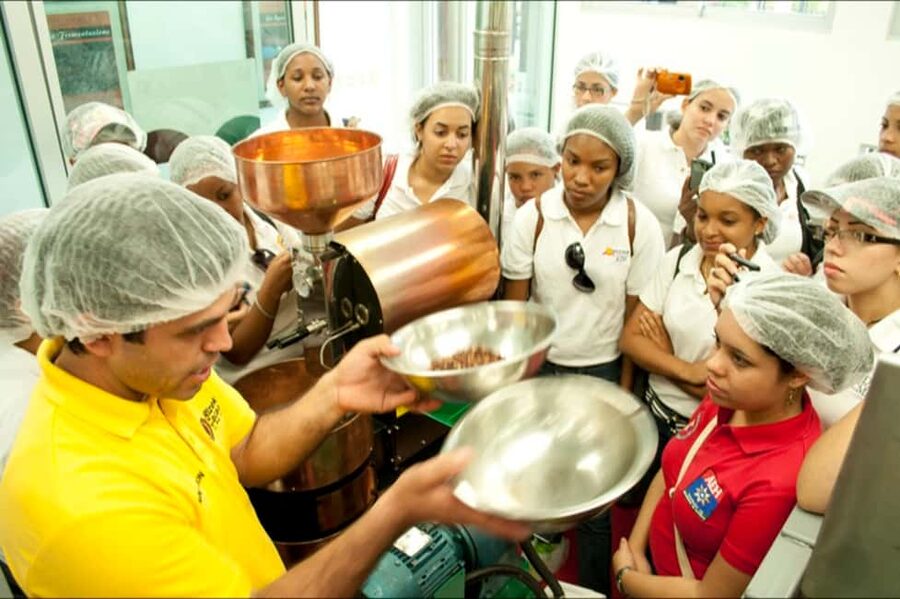
The tasting is more structured than simply sampling chocolate and choosing a favorite. You learn to use all five senses when tasting.
That means paying attention to more than sweetness. Your guide introduces the role of smell, appearance, texture, and flavor, while the tasting itself also involves touch and hearing as part of the five-sense approach. The exact tasting sequence is not listed, so the session may vary by guide or group.
This is the part I would value most for serious chocolate fans. A guided tasting can change how you notice chocolate at home. You may start paying attention to aroma before taking a bite, the way a piece feels as it melts, and how long the flavor stays with you.
The tasting follows the farm lesson well. You have already heard how fermentation and drying affect quality. Now you get a chance to apply that idea through your senses.
Do not expect a professional certification course. This is an accessible introduction designed for people who want to understand chocolate better without spending a full day in a specialist workshop.
What the $83 price gets you
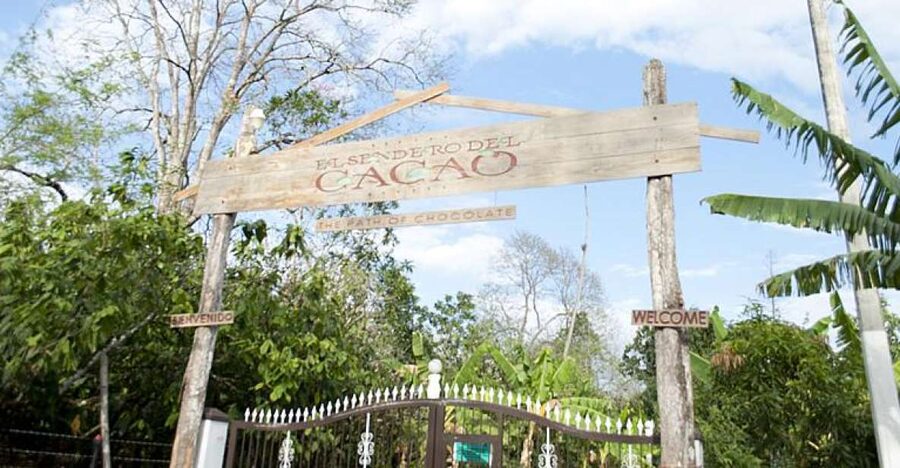
The cost is $83 per person. That is not the cheapest short activity in the Dominican Republic, but it covers more than a simple plantation walk.
Your fee includes the guided tour, lunch, and hot chocolate. You also receive the full farm-to-factory program, the cacao planting activity, the second plantation visit, and the chocolate tasting. Those inclusions make the price reasonable for someone who would otherwise pay separately for a meal and a chocolate experience.
Transportation is not included. That matters because the meeting point is El Sendero del Cacao, Duarte, 31000, Dominican Republic. You need to budget for getting there and back, and you should confirm the route before booking.
The value is strongest for visitors who specifically care about cacao. If you are only mildly interested in chocolate, three hours may feel long compared with a shorter tasting. If you want a clear explanation of farming and production, the added stops justify the higher price.
The stated duration is three hours, but plan with a little flexibility. One booking report described the activity as lasting about two and a half hours, so the actual schedule may finish earlier than the advertised time. That is useful if you have another appointment afterward, but you should still avoid arranging a tight connection.
Language, access, and what to wear
Guided visits are available in English, Spanish, and French. Pick the language that lets you ask the most questions, since the value of this experience depends heavily on the explanations.
Wear comfortable clothes and comfortable shoes. The tour includes plantation areas and movement between different parts of the cacao process, so practical clothing is a better choice than anything formal.
The experience is listed as wheelchair accessible. That is an important advantage, though the supplied details do not explain the exact surfaces, slopes, or access arrangements at each plantation. If you use a wheelchair, contact the provider before arrival to confirm how the farm areas and factory are set up.
The experience provider is Kahkow Experience. Guide names are not supplied, so you cannot request a particular guide based on the information available.
How the experience has performed
The overall rating is 4.9 from four bookings, with the strongest praise focused on organization, the guide’s friendly manner, and the educational content.
One booking described the outing as very well organized and called the guide especially pleasant. Another said the experience was cool and interesting and praised how much participants learned. That matches the design of the tour: it is built around explanation and hands-on steps rather than only sightseeing.
A separate booking also showed useful flexibility. A participant was able to move the reservation to the next day by phone. That does not guarantee a last-minute change will always be possible, since it depends on availability, but it suggests that calling the provider can help if your plans shift.
The one clear caution concerns the length. One person expected four hours and found the activity lasted about two and a half hours. The advertised duration here is three hours, so I would use three hours as the planning figure and allow some room around it.
Who will enjoy this cacao tour most
This outing is a good fit for chocolate lovers who want to understand where chocolate comes from. It also works well for families, since sowing a cacao plant gives children something concrete to do, though the educational portions may be more engaging for older children and adults.
I would also recommend it to food-minded visitors who like learning how local products are made. The lunch, Dominican culture lesson, plantation visits, and tasting create more variety than a factory-only tour.
It may be less suitable if you want a fast tasting with little explanation. The tour spends time on farming, fermentation, and drying, so you should expect an educational pace.
It is also not the right pick if you need hotel pickup. Transportation is not included, and you must reach the meeting point in Duarte yourself.
Booking advice for a smooth visit
Book with the language you prefer, then check the available starting time before paying. Because the experience is limited to three hours and the schedule may vary slightly, leave space before and after it.
Bring comfortable shoes and clothes. You do not need to bring lunch, since it is included, and hot chocolate is also part of the package.
The tour allows free cancellation up to 24 hours before the start time for a full refund. You can also reserve now and pay later, which is useful if you are still arranging the rest of your Dominican Republic plans.
I would ask about transportation, dietary needs, and the exact access conditions if any of those affect your decision. The listed wheelchair accessibility is encouraging, but the plantation setting can differ from the factory setting.
Should you book the Chocolate Lovers Tour?
Book it if you want more than a chocolate sample. The best reasons are the chance to plant cacao, see fermentation and drying, compare two processing settings, eat lunch, and learn a proper five-sense tasting method.
At $83, it offers fair value when you count the meal, hot chocolate, guide, and several cacao-focused stops. Just remember that transport is extra and the actual visit may run closer to two and a half hours than three.
If you are a dedicated chocolate fan, this is an easy choice. If you are only looking for a quick sweet treat, choose a shorter tasting instead.
FAQ
Where does the chocolate tour meet?
The meeting point is El Sendero del Cacao, Duarte, 31000, Dominican Republic.
How long does the experience last?
The advertised duration is three hours. One booking report described an actual visit of about two and a half hours, so allow some flexibility when planning.
What is the price?
The cost is $83 per person.
What is included in the price?
The price includes hot chocolate, lunch, and a guided tour.
Is transportation included?
No. You must arrange your own transportation to and from El Sendero del Cacao.
Which languages are available?
Live guides are available in English, Spanish, and French.
Is the tour wheelchair accessible?
Yes, the experience is listed as wheelchair accessible.
What should I wear or bring?
Bring comfortable shoes and wear comfortable clothes.
Can I cancel or pay later?
You can cancel up to 24 hours in advance for a full refund. Reserve now and pay later is also available.
More 3-Hour Experiences in Santo Domingo
- 3 Hour Punta Cana Outdoor Adventure
★ 4.5 · 190 reviews - Don Lucas Cigar Factory & Store + Premium Rum Tasting (3 hours)
★ 3.5 · 126 reviews - 3 Hours Shared Buggy Tour in Punta Cana
★ 4.5 · 98 reviews - Amazing 3-Hour Horseback Riding at Puerto Plata with Pickup
★ 4.5 · 91 reviews
Newest Santo Domingo trips we have written up
- Santo Domingo: Tres Ojos, Faro a Colón & Mamajuana Tour★ 5.0 · 3 reviews
- Santo Domingo: Small Group Tour with Cable Car from Bayahibe★ 3.9 · 5 reviews
- Santo Domingo Tour with caves from Punta Cana★ 4.0 · 5 reviews
- Punta Cana: Saona Island VIP | Private Beach, Open Bar & Lunch★ 3.4 · 6 reviews
- Santo Domingo: Saona Island Cataraman Food And Drink★ 4.7 · 4 reviews
- Santo Domingo: Paradisiac Waterfall & Lunch Cooked Over Wood★ 5.0 · 3 reviews
- Santo Domingo: Private City Tour walking★ 4.1 · 3 reviews
- Santo Domingo: Guided City Tour with Lunch★ 4.9 · 3 reviews
Chocolate and Coffee Tours, compared.

4×4 Dominican Adventure with Chocolate and Coffee Tasting
Read our review →
4×4 ATV Experience, Water Cave, Chocolate and Coffee Tasting
Read our review →
Buggy Adventure Tour with Chocolate and Coffee in Punta Cana
Read our review →
Buggy Ride Into the jungle with cave coffee & chocolate tasting
Read our review →
Road Off Half Day Buggy with Chocolate and Coffee Tasting
Read our review →
ATV Adventure w/ Chocolate, Coffee & Cave Swim in Punta Cana
Read our review →
Buggy Adventure to Water Cave and Macoa Beach with Coffee Taste
Read our review →
Puerto Plata Private City Tour with Mount Isabel & Rum &Chocolate
Read our review →Browse the lists this tour appears in