
Reviewed · HISTORICAL TOURS
History of Slavery Guided Tour
The most powerful stop is Boca de Nigua, where old sugar-factory structures connect Santo Domingo’s colonial economy to the first slave uprising in the Caribbean. This is not just a walk through pretty streets. You follow the machinery, labor, and human cost behind sugar and rum.
I like the way the tour joins Colonial Zone murals and religious syncretism with the practical story of sugar production. I also like the small group limit of six, plus the chance to try a Dominican dish wrapped in a banana leaf rather than spending the whole day on a bus.
The main drawback is the price: $190 per person is a serious half-day expense. The walking and uneven historic sites also make this a poor fit for wheelchair users, people with mobility limits, and anyone over 65 according to the activity information.
Key points to know before booking
- Boca de Nigua links sugar production to a slave uprising: The preserved factory ruins give the historical story a physical setting.
- The tour begins in the Colonial Zone: You’ll walk through former slave-market areas and streets decorated with murals about slavery and religious blending.
- A rum museum explains the work behind the bottle: Expect tools and information about sugar-factory labor during the colonial period.
- Lunch is a Dominican specialty steamed in banana leaves: The dish is made from dough stuffed with meat and includes one drink.
- The group is limited to six people: That size should make questions and conversation easier than on a large coach tour.
- Jose and Daniel receive the strongest personal praise: Jose is the guide named in the most recent feedback, while Daniel is identified as the driver.
Why this tour matters in Santo Domingo
Santo Domingo is often sold through its oldest streets, grand churches, and stone fortifications. Those sights matter, but they can leave out the labor system that helped build the colonial economy. This tour puts slavery at the center of the day.
You begin with the people and places of the Colonial Zone, then move outward toward the sugar country west of the capital. That change in setting is useful. It helps you connect the urban slave market to the plantations and factories that depended on forced labor.
The tour also covers the background of slavery in the Americas, sugar-cane processing, rum production, and religious syncretism. The subject is serious, and the route does not treat it as a light sightseeing theme. You should book it if you want historical context and are comfortable spending much of the day discussing exploitation, labor, and resistance.
The format is also more focused than a general Santo Domingo city tour. You will not simply collect landmarks. You will follow one subject through several places and see how it shaped the country.
More Historical Tours in Santo Domingo
- Colonial Zone: Historical Tour with a visit to the Columbus Lighthouse and Tres Ojos Park
★ 4.9 · 157 reviews - Santo Domingo Cultural Tour
★ 4.0 · 61 reviews - From Santo Domingo: Full day Historical Tour with Lunch
★ 4.4 · 46 reviews
Starting in the Colonial Zone
Pickup is offered in accommodations within Santo Domingo’s Old City district, also called the Zona Colonial. The day begins around 9 a.m., and the full program lasts about six to seven hours, with a return between 3 and 4 p.m.
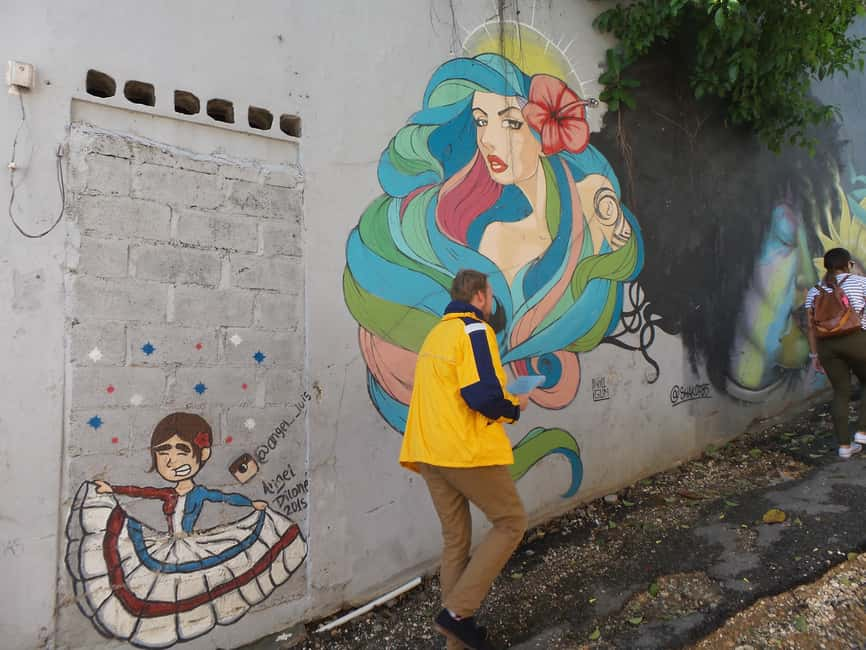
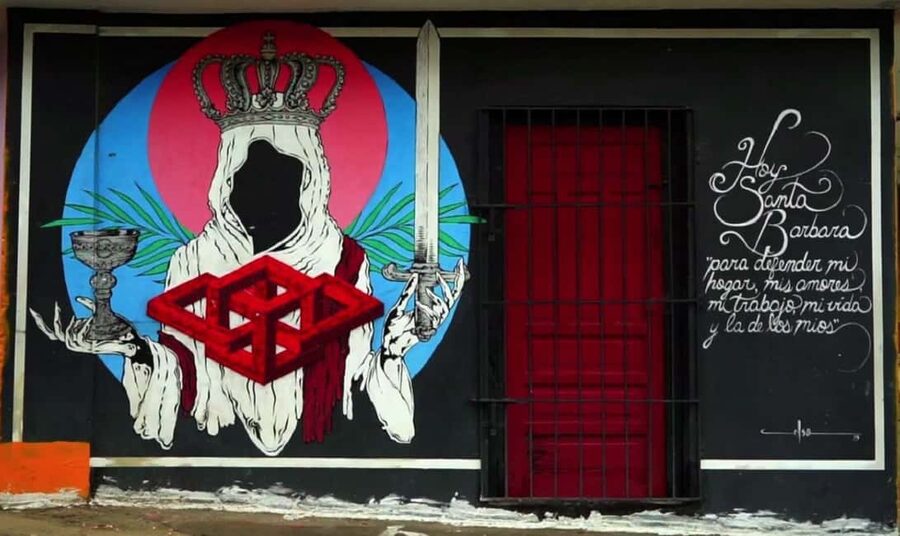
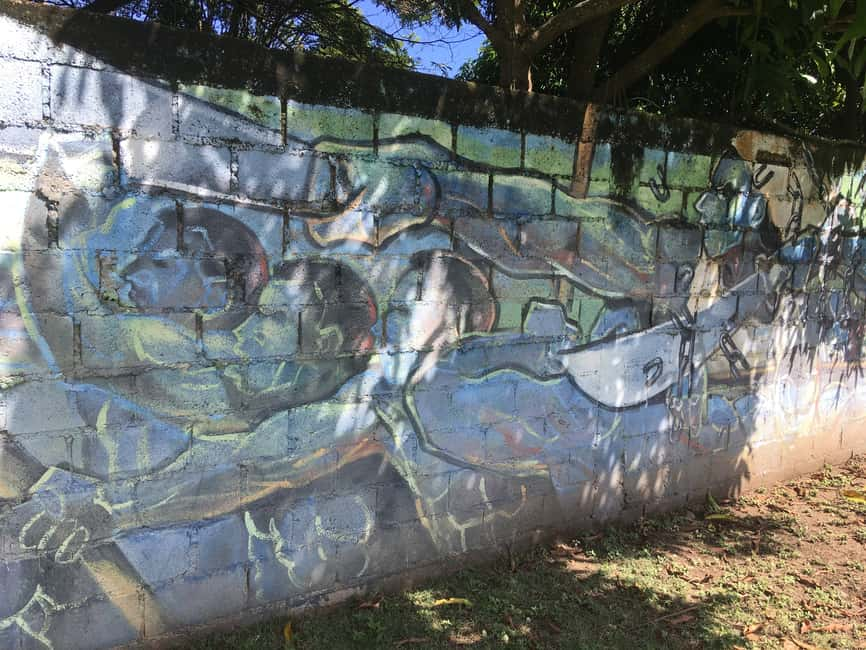
The first section is on foot. You visit the former slave-market area and walk through narrow streets where wall paintings refer to the history and culture of slavery. Some murals deal with religious syncretism, the blending of Catholic and African religious traditions.
This is an important opening because it frames slavery as more than an economic system. It also affected belief, art, identity, and daily life. The murals give your guide a visual way to discuss those connections.
Wear closed, comfortable shoes. The walking portion is not described as long, but old-town streets and historic sites can be tiring in strong sun. Bring sunscreen, sunglasses, a hat, and a camera. High heels and bare feet are not suitable for this activity, and the operator does not recommend it for people with mobility impairments.
Because this is a small group, you should have a better chance to ask about details that catch your attention. The experience is offered in English, German, and Spanish. Jose is the guide specifically named in the feedback, and the clearest praise centers on his clear explanations, careful listening, and command of the subject.
What the rum museum adds
After the initial city walk, you visit the Rum Museum. Entry is included in the tour price, so you do not need to budget a separate admission fee for this stop.
The useful part of the museum visit is its focus on labor. You learn about the tools used by enslaved people in the sugar factories and how sugar cane was processed into rum. That moves the discussion away from rum as a modern drink and toward the hard work required to produce it.
You should not expect a tasting-focused rum outing. The stated purpose is historical, with attention to equipment and working conditions during the colonial period. If you already know Santo Domingo’s rum brands, this stop still gives you a clearer sense of the human labor behind the industry.
The museum also helps bridge the two halves of the day. In the Colonial Zone, the story begins with markets, streets, and culture. At the museum, you see the tools and production process. Then the route continues to the actual sugar-factory remains near San Cristóbal.
Boca de Nigua and the sugar-factory ruins
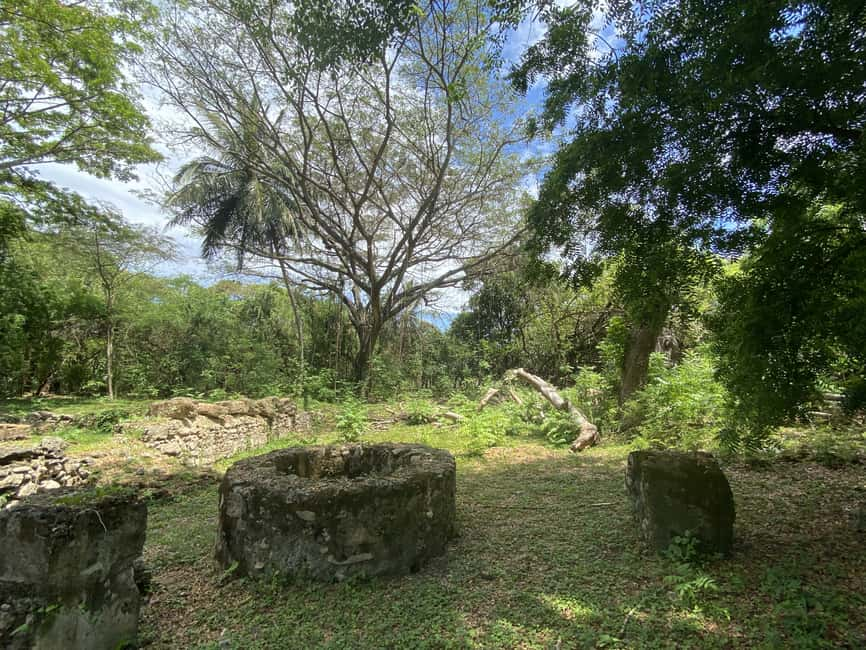
The coach ride from the Colonial Zone to Ingenio Boca de Nigua takes about 45 minutes. That is a reasonable travel time for a site outside the capital, though it means the day includes a fair amount of riding between stops.
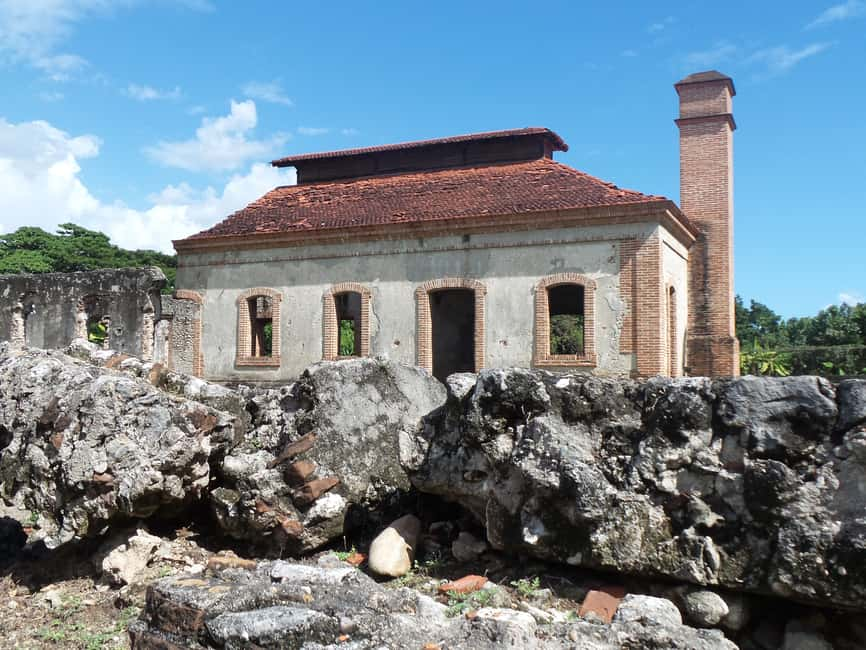
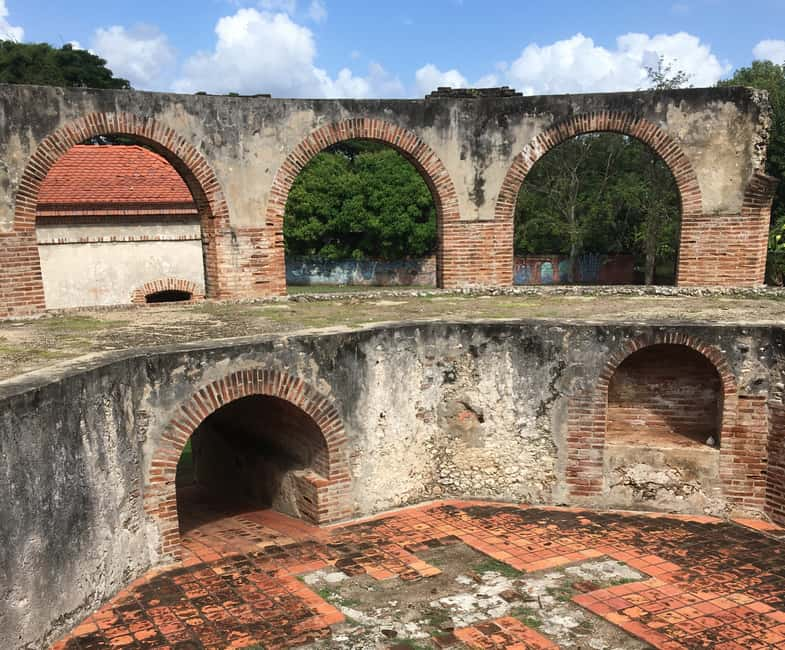
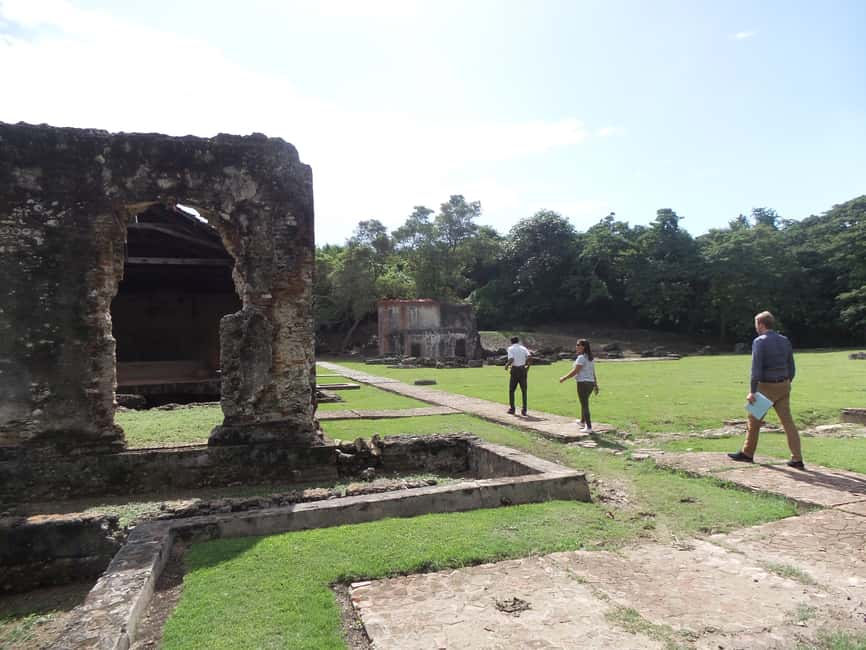
Boca de Nigua is the historical center of the tour. You make a photo stop, walk around the ruins, and receive a guided visit lasting about 30 minutes. The remaining structures help you picture how sugar and rum production worked before modern engines and industrial systems.
The information provided for the tour emphasizes that production depended on oxen and enslaved labor. That detail matters. It shows how physical force, both animal and human, powered the colonial economy. You are not only looking at old walls. You are looking at the remains of a system built around exhausting work and limited freedom.
This is also the place tied to the first slave uprising in the Americas, according to the tour’s historical focus. The site gives resistance a specific location. That can make the story easier to grasp than a general lecture about colonial slavery.
The visit is relatively short, so you should not expect a full archaeological tour or a long period for independent exploration. Its value comes from the guide’s explanation and the connection between the remains and the larger subject. If you prefer a slow site visit with lots of time for photographs, the 30-minute stop may feel brief.
Bring sun protection here. The activity specifically asks you to carry sunscreen, sunglasses, a hat, and closed shoes. You should also be prepared for walking around an old industrial site rather than entering a polished museum.
Same island, a completely different sort of day:
- Santo Domingo: Los Tres Ojos, Boca Chica & More
★ 4.8 · 219 reviews - Santo Domingo: Colonial Zone Bike Tour
★ 5.0 · 127 reviews - Ron Barcelo Anejo Experience Factory Tour
★ 5.0 · 111 reviews - Saona Island, memorable all-inclusive experience, from Santo Domingo.
★ 4.5 · 100 reviews
San Cristóbal and the local lunch stop
From Boca de Nigua, the coach ride to the San Cristóbal Province takes about 15 minutes. This section lasts around 40 minutes and combines a guided visit with sightseeing and street food.
The area adds another piece to the production story. You visit well-preserved structures connected with antique sugar factories and learn about the work needed to make sugar and rum. The route also includes the first hydroelectric sugar factory, an unusual detail that broadens the story beyond the better-known colonial ruins.
Lunch is part of the experience, with one drink included. The featured dish is a Dominican specialty made from dough stuffed with meat and steamed in banana leaves. The banana leaf is part of the cooking method, not just decoration, and the meal gives the tour a local food element after a morning centered on difficult history.
The food stop is practical as well as cultural. You do not need to find your own restaurant during a tightly scheduled day, and the included meal adds some value to the $190 cost. Still, the information does not specify the exact restaurant, portion size, or drink choices, so you should not book this expecting a detailed food tour.
The return to Santo Domingo
After San Cristóbal, the coach ride back to the Colonial Zone takes about 30 minutes. The final city section lasts about an hour and includes another guided walk, sightseeing, and a photo stop before returning to your pickup area.
This closing portion gives you time to connect the outer sites with Santo Domingo itself. The day begins in the city, moves to sugar production outside it, then returns to the streets where the history was first introduced.
The schedule is full but easy to understand:
- Around 9 a.m., pickup in the Colonial Zone
- About 45 minutes by coach to Boca de Nigua
- Roughly 30 minutes at the sugar-factory ruins
- About 15 minutes by coach to San Cristóbal
- Around 40 minutes for sightseeing, food, and the guided visit
- About 30 minutes back toward Santo Domingo
- Around one hour in the Colonial Zone
- Return between 3 and 4 p.m.
The exact balance between driving, walking, explanations, and meal time may vary. Allow the full six to seven hours rather than planning another fixed activity immediately afterward.
Is $190 a fair price?
At $190 per person, this is not a bargain city outing. The price needs to be judged against what is included: transportation, a local guide, entry to the Rum Museum, entry to the Boca de Nigua ruins, lunch, and one drink.
The small group limit is important. With no more than six participants, the guide can keep the conversation focused and respond to questions. That is especially useful for a subject with cultural and historical detail, where a rushed speech from a large coach can flatten the story.
You are also paying for a route that reaches beyond the Colonial Zone. A standard city walk would not normally include Boca de Nigua, San Cristóbal, sugar-factory remains, and the first hydroelectric sugar factory in the same day.
The value is weaker if you only want a quick introduction to Santo Domingo or prefer a relaxed food and rum outing. You can get a less expensive general city experience elsewhere. This tour makes more sense when the history of slavery is the reason you are booking, and when you value transport and expert guidance over free time.
The included lunch helps, but it should be seen as a useful part of the schedule rather than the main reason to pay the price.
What the guide and driver can add
The human side of this tour matters. Jose is the guide specifically praised for his clear explanations, careful attention, and strong command of the topics. That is exactly what you need here. The value depends less on entertainment and more on whether the guide can explain difficult history clearly and respectfully.
Daniel is named as the driver, and the personal feedback also singles him out positively. Since the day includes several coach transfers, a dependable driver affects the comfort of the whole experience.
The tour offers English, German, and Spanish. Confirm your preferred language when booking, since the quality of the explanation depends on receiving the history in a language you follow easily.
A small group can also make the tone more personal. You are not lost in a crowd at the murals, museum, or ruins. If you have questions about religious blending, factory work, or the uprising, this is the type of setting where you can ask them directly.
Who should book this experience?
I would recommend this tour to you if you want to understand the forces behind colonial Santo Domingo rather than only photograph its oldest buildings. It suits history-minded visitors, readers interested in slavery in the Americas, and anyone who wants to connect city sights with rural production sites.
It also fits people who appreciate a set schedule. Transport, entries, lunch, and a guide are arranged, so you do not have to build a complicated route to Boca de Nigua and San Cristóbal yourself.
You should think twice if you want lots of free time, dislike coach transfers, or prefer a lighthearted rum tasting. The subject is serious, the route is active, and the day can run until 4 p.m.
The activity is not suitable for wheelchair users or people with mobility impairments. The stated guidance also says it is not suitable for people over 65. That is a broad rule, so anyone concerned about stamina or uneven walking should ask the provider for a current assessment before paying.
Free cancellation is available up to 24 hours before the start, and you can reserve now and pay later. Pickup is included in the Colonial Zone, while pickup elsewhere in Santo Domingo may cost extra. Wait in your accommodation lobby at least five minutes before the scheduled pickup.
Should you book it?
Book this tour if you want a serious, tightly organized look at slavery, sugar, and rum in and around Santo Domingo. The strongest reasons are the Boca de Nigua ruins, the link to an early Caribbean slave uprising, the religious-syncretism murals, and the small group format.
The $190 price is justified only if those subjects matter to you. If they do, the included transport, entries, lunch, and guide make the day practical. If you mainly want old-town architecture or a casual rum experience, choose a simpler city tour instead.
FAQ
How long does the History of Slavery Guided Tour last?
The tour lasts about six to seven hours, or 390 minutes. It begins at around 9 a.m. and usually ends between 3 and 4 p.m.
Where does pickup take place?
Pickup is available at accommodations in Santo Domingo’s Old City district, known as the Zona Colonial. Pickup elsewhere in Santo Domingo may be available for an extra charge.
What languages are available?
The live tour guide is available in English, German, and Spanish.
What is included in the price?
Transport, entry to the Rum Museum, entry to the ruins at Boca de Nigua, lunch, one drink, and a local tour guide are included.
What food is served at lunch?
Lunch includes a Dominican specialty made from dough stuffed with meat and steamed in banana leaves, along with one drink.
Is this tour suitable for wheelchair users?
No. The activity is not suitable for wheelchair users or people with mobility impairments.
What should I bring?
Bring comfortable closed-toe shoes, sunscreen, sunglasses, a sun hat, and a camera. High heels, bare feet, pets, drones, alcohol, drugs, and unaccompanied minors are not allowed.
Newest Santo Domingo trips we have written up
- Santo Domingo: Tres Ojos, Faro a Colón & Mamajuana Tour★ 5.0 · 3 reviews
- Santo Domingo: Small Group Tour with Cable Car from Bayahibe★ 3.9 · 5 reviews
- Santo Domingo Tour with caves from Punta Cana★ 4.0 · 5 reviews
- Punta Cana: Saona Island VIP | Private Beach, Open Bar & Lunch★ 3.4 · 6 reviews
- Santo Domingo: Saona Island Cataraman Food And Drink★ 4.7 · 4 reviews
- Santo Domingo: Paradisiac Waterfall & Lunch Cooked Over Wood★ 5.0 · 3 reviews
- Santo Domingo: Private City Tour walking★ 4.1 · 3 reviews
- Santo Domingo: Nightlife, Rhythm, Culture Tour with Locals★ 5.0 · 4 reviews
Historical Tours, compared.
Half Day Dominican Republic Cultural Tour : Small Group
Read our review →
Historical Santo Domingo Day Trip from Punta Cana
Read our review →
Colonial Zone: Historical Tour with a visit to the Columbus Lighthouse and Tres Ojos Park
Read our review →
Full Day Santo Domingo City Tour: History of the Caribbean From Punta Cana
Read our review →
Discover Santo Domingo: Colonial History, Monuments & Lunch
Read our review →
Browse the lists this tour appears in