
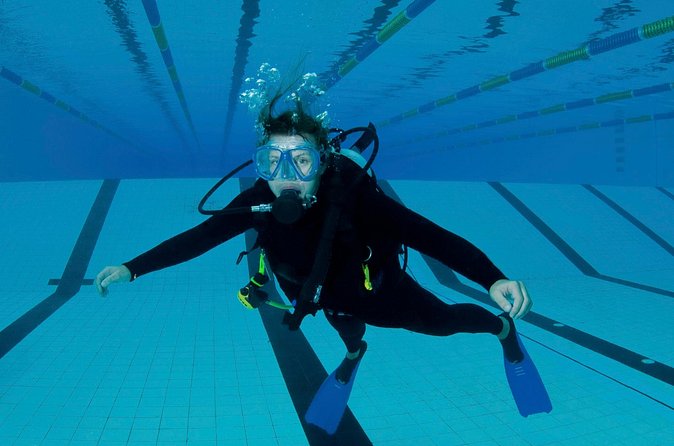
Reviewed · SCUBA DIVING
Punta Cana: PADI Open Water Scuba Certification (2–3 Days)
The most useful part of this Punta Cana course is that it takes you from classroom basics to open-water certification in just two or three days. You learn equipment handling and safety in a pool before heading into the Caribbean, with instructors such as Jennifer, Daniel, Eugenio, Craig, and Kraig guiding the process.
I like the small maximum group of 10, especially since some sessions have been much smaller. I also like that the price includes your equipment, PADI certification, pool work, ocean sessions, and transport from selected hotels. The catch is the fast pace. If you are uneasy in water or need extra time with basic skills, two days may feel demanding.
Key points at a glance
- Pool first, open water next: You practice the essential skills in a controlled setting before going into the sea.
- Two certification paths: Choose the full PADI Open Water license or the shorter scuba-diver license.
- A small-group format: The maximum is 10 people, and some classes may be much smaller.
- Strong instructor support: Jennifer, Daniel, Eugenio, Craig, Kraig, and other SeaPro staff are named in guest feedback for patient, clear teaching.
- Catalina option on the third day: The longer program may include an excursion to Catalina Island, with underwater sightseeing and a boat outing.
- Plan around your flight: You should not scuba within 24 hours of flying, so schedule this early enough in your vacation.
Learning to scuba in Punta Cana
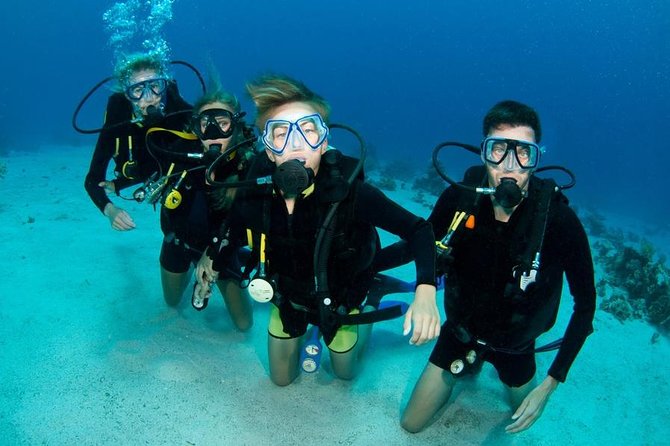
A resort holiday is easy to fill with beach time, but earning a PADI certificate gives your trip a purpose. This course is built for a first-time scuba student, not someone who already knows how to manage a tank and regulator.
Your day begins at 9:00 am at SeaPro Divers, located at Playa Blanca number 2 in Punta Cana. If your hotel is among the selected properties, pickup and return transportation are included. The operator serves several resort areas, but you must arrange your own transport if you are staying at Cap Cana or Punta Cana Resort Club hotels.
The course combines study, pool practice, and ocean sessions. That order matters. You first learn what the equipment does and how to respond to common problems in a calm setting. Only after practicing those skills do you move into open water.
The full PADI Open Water route is the better choice if you want a certificate accepted for recreational scuba around the world. The scuba-diver license is a shorter alternative, so ask the operator to explain the limits of each option before booking.
More Scuba Diving in Dominican Republic:
- Scuba Doo Diving Experience in Punta Cana
★ 4.0 · 422 reviews - Diving for Certified Divers, 2 Tanks Sosúa Bay
★ 5.0 · 345 reviews - Scuba Doo – Diving Scooters in Punta Cana
★ 4.2 · 283 reviews
What happens during the two-day course
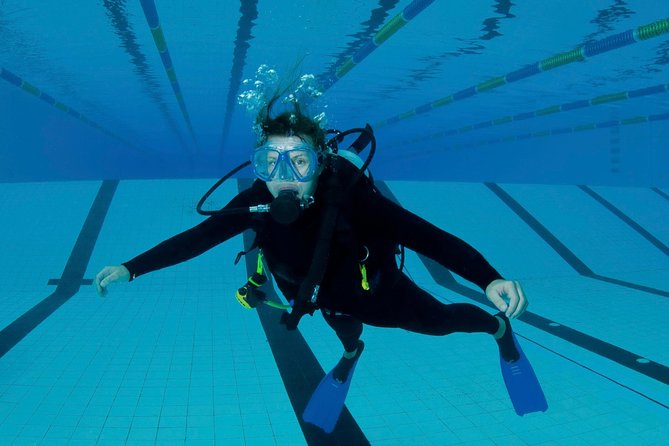
The first portion covers classroom material and equipment use. You learn how the mask, fins, regulator, buoyancy equipment, and air tank work together. You also begin the safety procedures that make underwater activity manageable rather than mysterious.
The pool session is where the course earns its value. You practice the core skills with an instructor nearby, including the actions needed if a mask fills with water or you need to manage your breathing equipment. The supplied information does not provide a minute-by-minute schedule, so exact classroom and pool times can change.
That flexibility can be useful, but the pace is still brisk. One person who completed the course advised having some prior comfort in the water, and that is sensible. You do not need to be an experienced swimmer, but a moderate level of physical fitness is required, and you should be ready to listen closely and repeat skills until they feel natural.
The second day moves into open water. Here you show that you can use the skills outside the pool while following your instructor’s directions. The water can be affected by seaweed, algae, or rough conditions, so the scenery may not always match your ideal picture of the Caribbean.
That is an important distinction. The course is about building safe, repeatable habits, not simply looking at fish for an hour. If you want a more scenic holiday outing, the third-day Catalina option may be the more satisfying choice.
Why the instructors matter
A short certification course depends heavily on the teaching. You have a lot to absorb, and a calm instructor can make the difference between steady progress and panic.
Jennifer receives repeated praise for clear directions, patience, and positive encouragement. She has also worked with students who were nervous about putting their face in the water, giving them extra time rather than rushing them. Daniel is described as patient both above and below the surface, while Eugenio, Craig, and Kraig are also named as strong instructors.
You should still understand that instructor assignments can change. The listed names are examples of SeaPro staff, not a guarantee that one particular person will teach your class. If you have a strong preference, ask when you book.
I especially value the emphasis on reassurance. First-time scuba students often worry about breathing through a regulator or handling the equipment correctly. The instructors’ role is not just to explain a skill, but to help you repeat it until you can do it without losing your composure.
The maximum group size is 10. That is not a private lesson, but it is small enough to allow more attention than a large resort activity. Some classes have been as small as three people, which makes it easier to ask questions and get corrections.
The three-day choice and Catalina Island
The three-day course adds breathing room to the certification process and may include a Catalina Island excursion. Based on the supplied details, the Catalina day can combine underwater sessions with a boat trip, island time, lunch, and drinks. Family members who are not completing the certification may also be able to join the boat and snorkel, though you should confirm the exact arrangements before booking.
Catalina is the more attractive option if you want the certification to include a proper day on the water rather than ending as soon as the required sessions are complete. One account describes plenty to see at the site, while another calls the final excursion worth the upgrade.
The tradeoff is time and cost. The base price is $649 per person, and the supplied details do not state a separate price for the third-day Catalina addition. Ask for the total before you commit, especially if relatives are joining the boat.
The longer schedule also reduces pressure. You still have a compact course, but an extra day gives you more time to settle into the equipment and enjoy the ocean portion. If you are nervous, traveling with a teenager, or simply want the island outing, the three-day version deserves serious consideration.
A few more Dominican Republic days worth weighing up
- 3 Days Open Water Diving Course in Punta Cana
★ 5.0 · 4 reviews
Is $649 a fair price?
At $649, this is not a bargain course. The value depends on what you want from your Punta Cana holiday.
The price includes the diving equipment, instructor, pool and ocean sessions, PADI certification after successful completion, and round-trip transportation from selected hotels. You are paying for a recognized qualification, not merely a short introductory swim.
That can make the price reasonable if you plan to scuba again. A PADI Open Water certificate can be used for recreational scuba in other destinations, subject to the rules of the local operator. The course may also save you the trouble of arranging separate training at home.
The value is weaker if you only want one quick look underwater. In that case, a basic introductory activity could be enough, and this course asks for several days, study, physical effort, and a medical questionnaire.
There is also a location issue. Punta Cana is convenient, but not every ocean session will have ideal visibility or perfectly calm water. Some conditions include seaweed and algae, and one account describes rougher seas. You are buying instruction and certification first, with the scenery as a welcome extra.
Hotel pickup, meeting point, and timing
Selected hotel pickup is included, which simplifies the morning. Be ready before the arranged time, since the course starts at 9:00 am and delays can cut into a tightly scheduled program.
The official meeting point is SeaPro Divers at Playa Blanca number 2, Punta Cana 23000. The activity ends back at the meeting point. If your hotel is near public transportation, you may have another way to reach the base, but the included transfer is more convenient when available.
Transportation does not cover Cap Cana or Punta Cana Resort Club hotels. This is easy to miss, so check your accommodation before paying. You do not want to discover on the first morning that you must arrange a taxi or other ride.
Bring a snack and sunscreen. Food and drinks are not included, and a full morning of lessons and pool work can leave you hungry. Sunscreen is especially useful between sessions and on the boat.
Medical and flight rules you should take seriously
Every participant completes a health questionnaire before scuba activity begins. Conditions such as asthma or heart problems may prevent you from participating, so consult a doctor before booking if you have any concern.
This is not a minor formality. Pressure changes and underwater exertion require you to be honest about your health. If the questionnaire raises a concern, the operator may require medical clearance or decide that scuba is not appropriate for you.
The minimum age is 10 years. A parent or guardian should consider not only the age rule but also the child’s comfort, attention span, and ability to follow instructions. A course can be safe and well taught while still feeling intense for a young beginner.
You should also leave at least 24 hours between your final scuba session and your flight. This rule makes a two-day course a poor choice at the very end of a vacation. Schedule it early enough that you have a full day before flying home.
What the underwater portion is really like
The open-water sessions are the point of the certification, but they are not simply sightseeing. You will be expected to demonstrate skills, manage your equipment, and follow the instructor’s procedures.
Conditions may vary. Clear water and sea life are possible, but seaweed, algae, or rough water may affect what you see. One account describes the ocean as less attractive than expected, yet still rates the staff and overall experience highly. That is a useful warning: the quality of the teaching may matter more than a perfect view.
If your priority is marine scenery, consider the Catalina addition. If your priority is earning the license safely and efficiently, the regular open-water sessions can do the job without the extra excursion.
The course may also include conservation-related moments. One participant described helping with coral replanting during a birthday certification trip. That is not listed as a standard part of every booking, so do not assume it is guaranteed, but it shows that the program can include more than basic certification.
Who should book this course?
This suits you if you want a recognized PADI qualification and are willing to give two or three vacation days to learning. It is also a good fit for families with older children, couples who want a shared goal, and anyone who expects to scuba in other parts of the world.
The small maximum group and patient teaching style are helpful for beginners. If you are nervous, tell the instructor early. The staff’s strongest quality is their ability to explain skills clearly and build confidence without making you feel foolish.
I would think twice if you dislike structured lessons, have limited mobility, are uncomfortable in water, or plan to fly home immediately after the activity. I would also avoid booking until a doctor has addressed any medical concern.
Booking, cancellation, and practical planning
Confirmation is provided at booking, and the activity offers a mobile ticket. Free cancellation is available up to 24 hours before the local start time for a full refund. Cancellations or changes made less than 24 hours before the start are not accepted for a refund.
Because this is a certification course rather than a one-hour outing, leave space in your itinerary. Do not schedule a major excursion immediately afterward unless the operator confirms the timing.
You should also ask three questions before paying: which course version is included, who provides hotel transport for your resort, and what is included in the third-day Catalina option. Those answers will tell you whether $649 fits your plans.
Should you book SeaPro Divers?
Book it if your real goal is to become a certified scuba participant, not simply to try a resort activity. The course gives you equipment, instruction, pool work, ocean sessions, certification, and selected hotel transport in one package, with a small group limit and several instructors praised for patience and clear teaching.
Choose three days if you want more time or the Catalina boat outing. Choose two days if your schedule is tight and you are comfortable learning at a brisk pace. Either way, schedule the course before your final 24 hours, bring a snack and sunscreen, and confirm transport if you stay in Cap Cana or Punta Cana Resort Club.
FAQ
How long is the PADI course?
The course lasts approximately two or three days, depending on the option you choose.
What time does the activity start?
The listed start time is 9:00 am.
Where does the course begin?
It begins at SeaPro Divers, Playa Blanca number 2, Punta Cana 23000, Dominican Republic.
Is hotel pickup included?
Hotel pickup and return transport are included for selected hotels. Transportation is not included for Cap Cana or Punta Cana Resort Club hotels.
What does the price include?
The $649 price includes diving equipment, an instructor, pool and ocean sessions, PADI certification after completion, and hotel transport where available.
What is the minimum age?
The minimum age is 10 years.
Do I need to complete a health questionnaire?
Yes. All participants must complete a health questionnaire before scuba activity begins.
Can I scuba shortly before flying?
Scuba activity within 24 hours of flying is not recommended. Plan your course so you have at least a full day before your flight.
Can I cancel for a full refund?
Yes, if you cancel at least 24 hours before the local start time. Cancellations or changes made less than 24 hours before the start are not refundable.
Newest Dominican Republic trips we have written up
- Higüey Half Day Tour for Small Group★ 3.5 · 3 reviews
- Punta Cana Airport to Punta Cana Hotels (up to 35 km)★ 5.0 · 9 reviews
- Punta Cana Speed Boat Tour and Snorkeling★ 3.5 · 4 reviews
- Saona Island Tour from Punta Cana with Lunch, Open Bar & Pickup★ 3.0 · 8 reviews
- Punta Cana Shopping Tour★ 4.0 · 28 reviews
- Punta Cana Private Fishing Charter boat Fortuna 42′★ 5.0 · 47 reviews
- Inshore & Fly Fishing Punta Cana Private charter at Marina Cap Cana★ 3.5 · 7 reviews
- Punta Cana Private Transfer★ 5.0 · 18 reviews
Scuba Diving, compared.
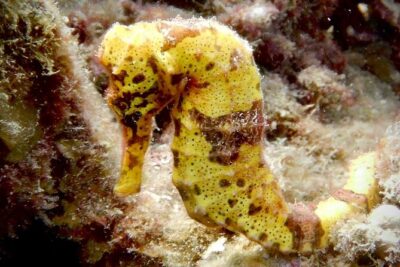
Diving for Certified Divers, 2 Tanks Sosúa Bay
Read our review →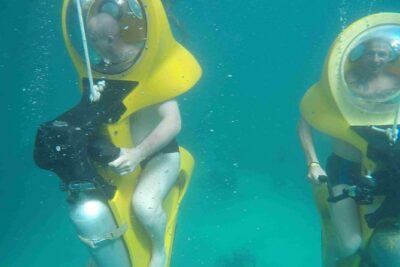
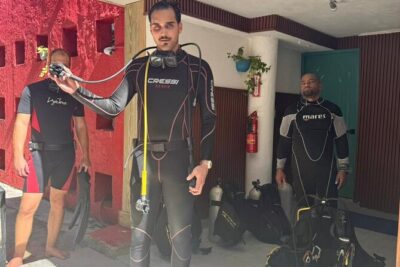
First Time Scuba Diving Experience in Punta Cana
Read our review →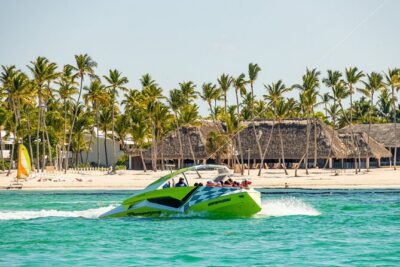
PACKAGE DEAL Catamaran- Snorkeling – Hooka Diving – Parasailing
Read our review →
Scuba Doo Underwater Scooter in Punta Cana (Half Day)
Read our review →
Punta Cana Party Cruise with Snorkeling, Hooka Diving and Parasailing
Read our review →
Browse the lists this tour appears in